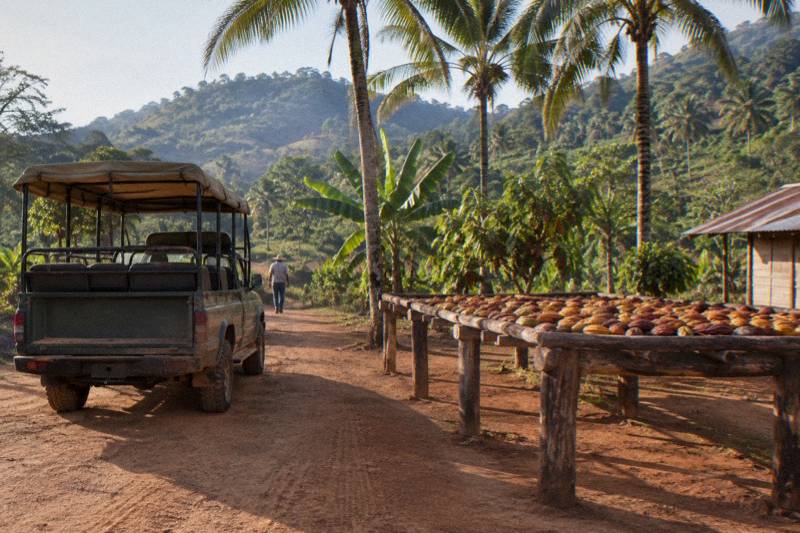
Which Caribbean Islands Have Monkeys?
Which Caribbean islands have monkeys? The honest answer for the Dominican Republic, what happened to its extinct native primate, and the parks where visitors meet monkeys today.
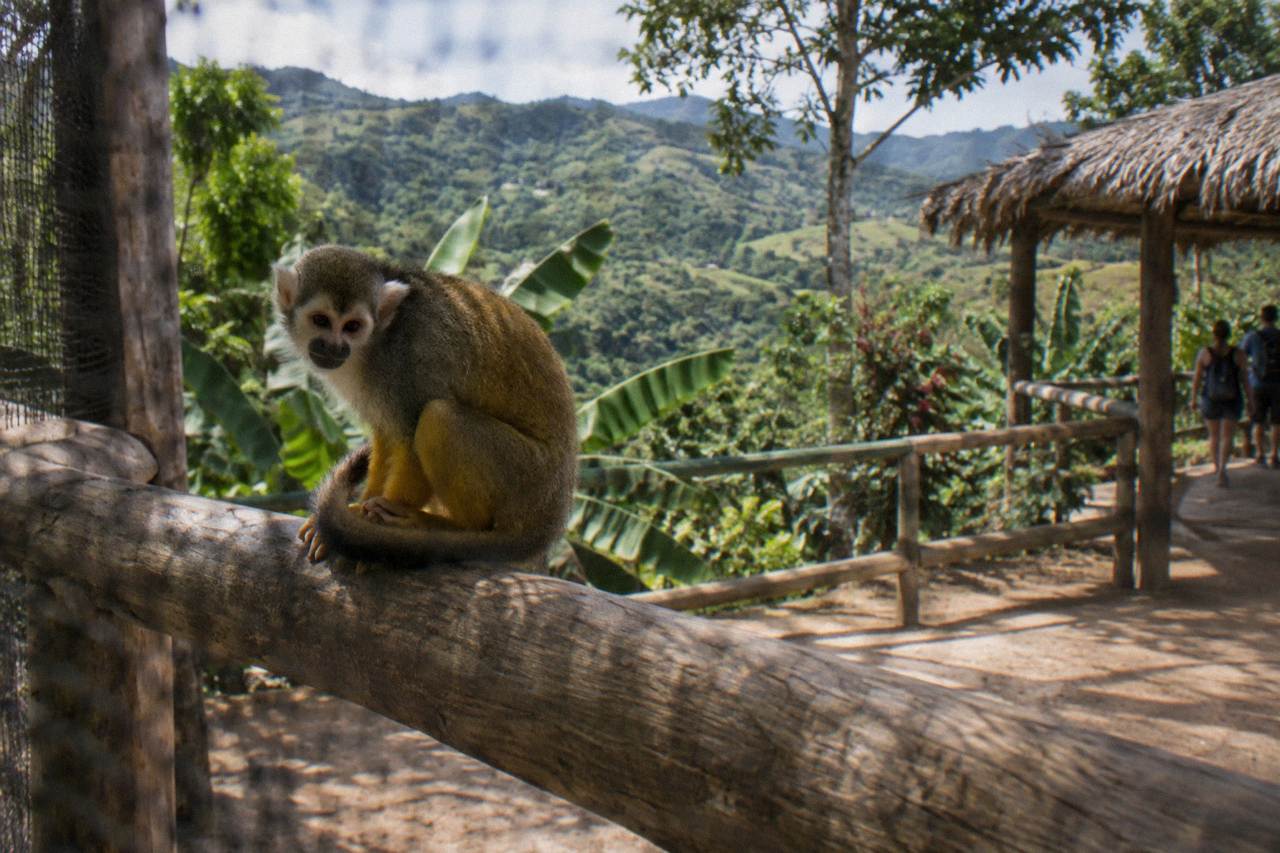
The question sounds simple. It is not. Across the Caribbean, monkeys are almost entirely a story of introductions and extinctions rather than native populations, and the Dominican Republic is the clearest case of both at once: an island that once had its own primate, lost it, and now receives visitors who meet monkeys kept in enclosed parks. This article works through the Dominican record first, then turns to how the parks there compare with anything else a traveler might book. If you want the broader picture beyond primates, the guide to wild animals in the Dominican Republic covers what still roams the island and which parks let you see it up close.
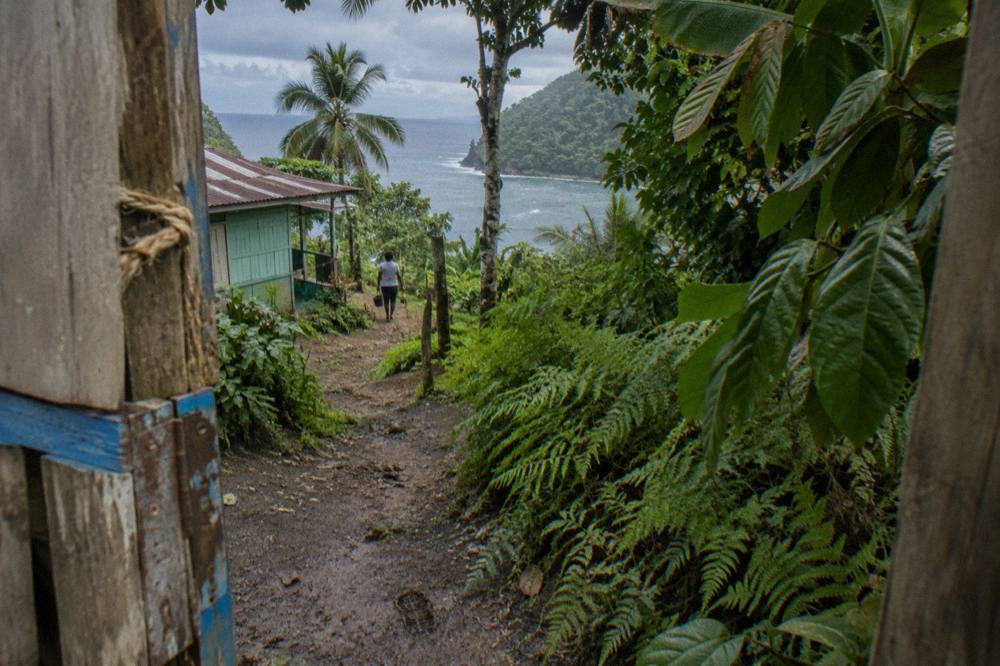
Where Monkeys Actually Live In The Dominican Republic
No native wild monkeys live in the Dominican Republic today; every monkey encounter happens inside an enclosed park. The country has no native wild monkey population. The squirrel monkeys at Monkeyland and similar venues are introduced animals kept in controlled sites, and the only way to visit most of them is through a booked tour with an operator.
That single fact reframes the whole question. When people ask which Caribbean islands have monkeys, they are usually picturing a wild sighting, a troop crossing a road or appearing at a beach. Wild monkeys do live on some other Caribbean islands, but none are native to the Dominican Republic. The country's monkey experiences are commercial attractions. Monkeyland sits in the Anamuya hills outside Punta Cana, and the official Dominican Republic tourism portal describes it as a five-acre park where two families of squirrel monkeys greet visitors for up to an hour at a time. Monkey Jungle near Sosua on the north coast, Monkey House VIP in the Punta Cana area, and a cluster of smaller sanctuaries around Puerto Plata and Samana reached through local operators round out the list.
The parks are real and the monkeys are real. What they are not is wild. Whatever the listing promises, Monkeyland is an enclosed monkey park of about five acres where the monkeys come to visitors. That distinction matters for anyone comparing destinations: if seeing monkeys in the Caribbean is the goal, the Dominican Republic offers a reliable, bookable encounter, not a chance sighting.
For most visitors, the practical entry point is the Monkeyland and Plantation Safari Tour from Punta Cana, a roughly six-hour day from $95 per person with hotel pickup listed and a 4.8 rating from 4,865 reviews. It combines the monkey encounter with a plantation and cultural stop, which is a fair representation of how these parks work: the animals are one chapter of a guided countryside day, not a standalone wilderness expedition.
The full plantation safari is the classic version. The half-day variant from the same area runs 5 to 5.5 hours at the same from $95 per person price point and holds a 4.6 rating from 1,648 reviews. Monkey House VIP is a different animal entirely: a shorter, 2.5-hour interactive sanctuary experience, from $90 per person, rated 4.9 from 61 reviews, and notably wheelchair accessible where most Monkeyland listings are not.
What Happened To The Hispaniola Monkey?
The Hispaniola monkey, Antillothrix bernensis, is extinct, and the fossil record is the only evidence it ever existed. Bones recovered from Dominican caves, including Cueva de Berna, show a primate that survived from roughly 1.3 million years ago into the Holocene, then disappeared. No wild population remains, and no official source claims one.
This is the part of the story most first-page search results skip. The Dominican Republic did have a native monkey, and it vanished long before anyone could photograph it. The species page on the fossil record describes a small platyrrhine primate endemic to Hispaniola, known from skulls, jaws and limb bones pulled out of cave deposits. A 2010 paleontological paper catalogs the cave sites, and later dating work placed the youngest remains within the last few thousand years. Whatever killed it off, whether human arrival, habitat change or both, the result is unambiguous: an island with a native primate became an island without one.
That absence is exactly why the parks exist. The squirrel monkeys visitors feed today are not descendants of the Hispaniola monkey; they are a South American species brought in for tourism. Squirrel monkeys range across mainland South America, not the Greater Antilles, so every individual at Monkeyland arrived by arrangement. This is worth knowing before booking, because it shapes expectations. A visitor is not stepping into a relict ecosystem. They are visiting a well-run feeding encounter with imported animals, and reviews suggest that is precisely what most people want. For a closer look at the hand feeding rules and what guests actually report, read this guide to squirrel monkey friendliness.
It also explains why this site is blunt about wording. A listing may talk up the setting, but what you actually visit is a planted forest enclosure, not open wilderness. The honest version, the one the parks can actually deliver, is close observation and hand-feeding of habituated squirrel monkeys in a five-acre park with a guide nearby. The extinct native primate guide on this site goes deeper into the fossil evidence for readers who want the full paleontology.
The extinction story has one practical travel consequence: there is no season, no trail and no dawn hike in the Dominican Republic that improves the odds of seeing a monkey outside a park. The encounter is the product. Booking it well and knowing the rules matters more than timing a wilderness visit, which brings the comparison to the parks themselves.
Which Parks Keep Monkeys In The Dominican Republic?
Four sites hold nearly all of the country's monkey tourism: Monkeyland near Punta Cana, Monkey Jungle near Sosua, Monkey House VIP in the Punta Cana area, and small monkey park stops around Puerto Plata, Samana and the cruise ports. Each is reached differently, priced differently and reviewed differently, and none is a wild habitat.
Monkeyland is the giant. Set in the Anamuya hills, it anchors the largest share of the monkey tours you can book here, sold by several operators from Punta Cana, La Romana, Bayahibe, Juan Dolio, Puerto Plata and Samana under variations of the same name. The park itself has no standalone booking site; visitors arrive through tour operators, which is why the same 45-minute squirrel monkey encounter appears at prices from $65 to $209 per person depending on departure point and what else is bundled. Runners Adventures dominates the listings, but it is not the only seller, and same-brand listings are genuinely different products with different durations, inclusions and lunch arrangements.
Monkey Jungle near Sosua is the exception: it sells its own gate. Its official homepage lists hours of 9:00 am to 4:00 pm, closure on Sundays, cash-only payment, and admission tiers including a monkey experience at $50 for ages 12 and up and $40 for children 3 to 11, with zip line and combination options priced higher. The same page states that profits go to HADAC, a non-profit organization supporting medical and dental clinics, which makes Monkey Jungle the closest thing the country has to a mission-driven monkey venue. The park's own website never names the species, so monkeys is as specific as it gets.
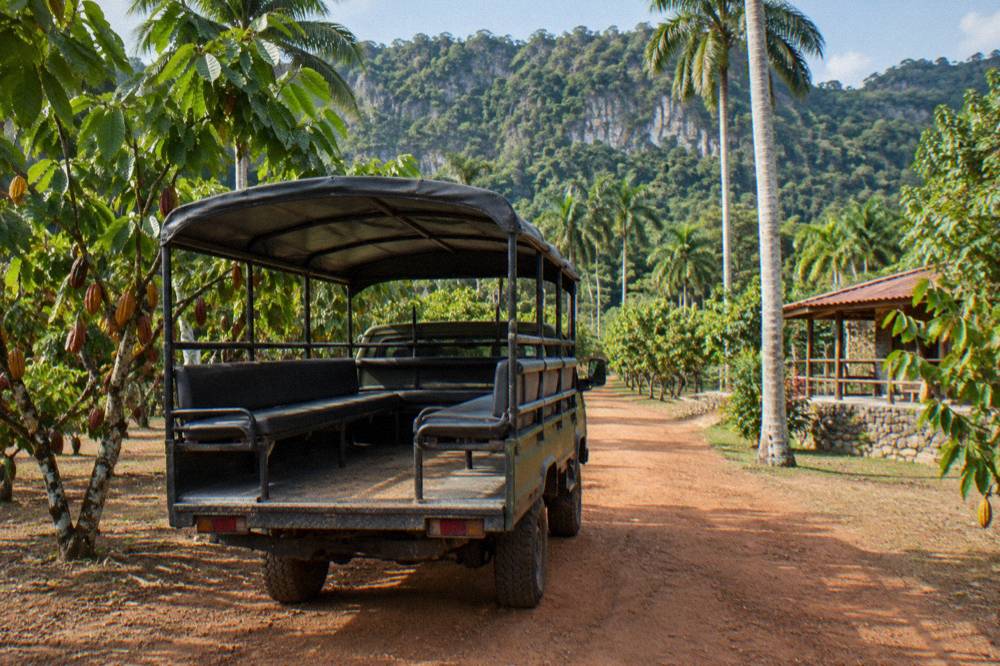
The table below compares the main venue types as they actually sell.
| Venue | Location | How You Visit | Typical Entry Route | Notes |
|---|---|---|---|---|
| Monkeyland | Anamuya hills, outside Punta Cana | Booked tour only, sold from multiple resorts and ports | From $65 to $209 per person depending on departure and bundle | Squirrel monkeys, 5-acre park, no standalone site |
| Monkey Jungle | El Choco Road area, between Sosua and Cabarete | Own gate, no reservations required | $50 adult, $40 child 3 to 11, cash only; zip line higher | Closed Sundays; profits support HADAC clinics |
| Monkey House VIP | Punta Cana area | Booked VIP tour | From $90 per person, about 2.5 hours | Lists 4 monkey types; wheelchair accessible |
| Port-area sanctuaries | Amber Cove, Taino Bay, Puerto Plata | Shore excursion or short local tour | From $65 per person, 50 minutes to 2.5 hours | Some are observation-only, no touching or feeding |
That last row deserves emphasis, because it trips up cruise passengers. Not every monkey stop in the Dominican Republic offers the same kind of contact. The Monkey Interaction Shore Excursion from Amber Cove and Taino Bay, from $65 per person and rated 5.0 from 16 reviews, describes monkeys climbing onto shoulders and hands in an interactive enclosure. Other port tours, including one from Taino Bay and Amber Cove at $89.30 per person, state plainly in their restrictions that touching, holding and feeding are not permitted, making them observation experiences. Reading the listing's own rules before booking is the difference between the two.
The Puerto Plata region has its own cluster. The Monkeyland Puerto Plata tour, from $69 per person and rated 4.9 from 1,549 reviews, is a 4.5-hour safari with fruit feeding, while combos pairing a monkey park with the Damajagua waterfalls run from $87 to $89 per person for travelers who want a fuller day. On the peninsula, Monkeyland Samana sells a one-hour interaction from $65 per person, one of the shortest monkey experiences in the country.
How Do Dominican Monkey Parks Compare With Monkeys Elsewhere In The Caribbean?
A few Caribbean islands do have wild monkeys: Trinidad has two native species, and green monkeys live wild on St Kitts, Nevis and Barbados. What the record does support is a pattern: outside Trinidad, the one Caribbean island with native wild monkeys, the region's monkeys are overwhelmingly introduced, and the Dominican Republic's parks are the most commercially developed monkey tourism this site can document.
That restraint is deliberate. Plenty of travel content lists islands with monkeys, but a list built from memory is exactly how wrong facts spread. What can be said with confidence is structural. Island ecosystems in the Caribbean lost most of their native land mammals well before written records, and Trinidad is the one island where primates still occur natively; everywhere else in the region, monkeys survive mainly where they were brought by people. The Hispaniola monkey is the documented local case: a native primate that went extinct during the Holocene, leaving the island's current monkeys as introductions kept at specific sites.
That makes the Dominican Republic unusual in a useful way. Rather than scattered, semi-wild troops that may or may not appear, it offers a defined product: a booked encounter in a managed park, with pickup, a guide, published prices and thousands of reviews. The Adventure Bundle combining Monkeyland, ziplines and buggies from Punta Cana, from $209 per person, alone carries a 4.9 rating from 13,844 reviews, which is a review pool most Caribbean attractions of any kind cannot match. Whatever a traveler's view of captive primate tourism, the Dominican version of it is documented, priced and heavily reviewed in a way that informal monkey sightings elsewhere are not.
There is an honesty trade-off, and this site names it. A park visit guarantees nothing about behavior, monkeys are animals, not performers, but it reliably delivers monkeys. A wild or semi-wild population, wherever it exists, delivers scenery and probability. Visitors who want the encounter should book the park; visitors who want the chase will not find it in the Dominican Republic at all. The guide to where monkeys live in the Dominican Republic maps the bookable options by departure area.
What Do Monkey Tours In The Dominican Republic Cost?
Verified monkey tour prices in the Dominican Republic run from $65 to $209 per person, or per group for two buggy products priced from $179. The cheapest confirmed option is a 50-minute shore excursion from $65, and the priciest single-day product is the 9 hours 30 minutes adventure bundle from $209. Ratings range from 5.0 on 16 reviews to no reviews at all on newer listings.
Price tracks three things: departure point, duration and what gets bundled. A bare monkey stop is the floor. Add a zipline circuit and the price lands near $130 from Punta Cana or $90 from Puerto Plata. Add buggies as well and the day stretches past nine hours and the price climbs to $209. The table below shows the price spread.
| Tour | Departs | Duration | Price | Rating |
|---|---|---|---|---|
| Monkey Interaction Shore Excursion (Amber Cove, Taino Bay) | Cruise ports | 50 minutes | From $65 per person | 5.0 from 16 reviews |
| Monkeyland Samana Shared Adventure | Samana | 1 hour | From $65 per person | No rating, 3 reviews |
| Monkeyland Puerto Plata | Puerto Plata | 4.5 hours | From $69 per person | 4.9 from 1,549 reviews |
| Monkeyland and Plantation Safari Tour | Punta Cana | 6 hours | From $95 per person | 4.8 from 4,865 reviews |
| Monkeyland and Zipline Two Adventures in One Day | Punta Cana | 8 hours | From $130 per person | 4.8 from 1,227 reviews |
| Monkeyland and Zipline Adventure | Puerto Plata | 6 hours | From $90 per person | 4.9 from 403 reviews |
| Adventure Bundle: Monkeyland, Ziplines and Buggies | Punta Cana | 9 hours 30 minutes | From $209 per person | 4.9 from 13,844 reviews |
Two caveats keep that table honest. Per-group pricing exists: three buggy and ATV listings are quoted per group rather than per person, two at $179 and one at $370, which can undercut the per-person figures for a family. And review counts matter as much as stars: a 5.0 from 16 reviews points to a good small product, while a few newer tours have no reviews yet and are best read as unproven rather than inferior.
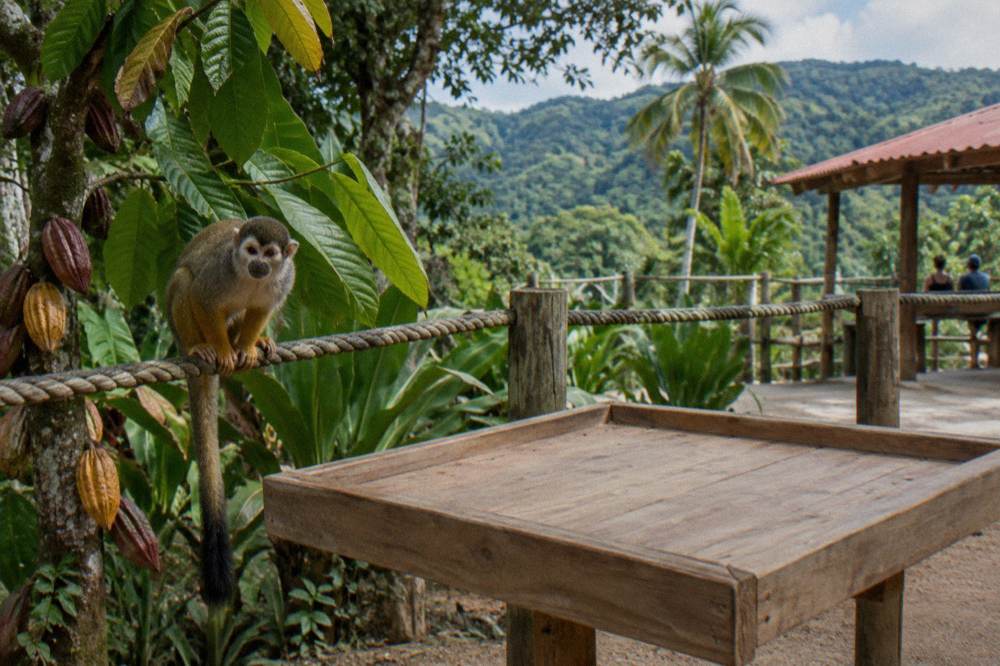
For cruise passengers, the calculus is tighter still. Port calls leave a narrow window, and the short port products are built around it. The 50-minute interaction excursion from Amber Cove and Taino Bay is the cheapest verified listing on this site and explicitly coordinates returns with ship schedules. The longer Puerto Plata cruise port guide covers how these shore excursions fit a typical call.
Which Rules Apply Before You Meet The Monkeys?
Operator rules for Monkeyland, stated on the Runners Adventures listing, bar pregnant women and people with heart conditions, mobility problems, epilepsy or upper respiratory infections, and ask visitors not to wear sunscreen or insect repellent before the interaction. Several tours also exclude people with severe peanut allergies.
The restrictions read stricter than most beach excursions, and they exist for the animals' benefit as much as the visitors'. Skip sunscreen, lotion and insect repellent before the monkey encounter: chemicals on skin can harm primates that climb on shoulders and take food from hands, a reason the ban appears across the listings. The respiratory and allergy rules follow the same logic: monkeys can catch human illnesses, and peanut traces on hands are a real hazard where nuts are part of the feeding routine. Travelers with a cold or flu should expect to be kept out of the interaction area on the tours that state the rule.
Practical preparation is simple. Comfortable clothes and closed-toe shoes appear on nearly every listing. Cash appears almost as often, since Monkey Jungle near Sosua takes cash only at the gate. The adventure bundle lists its exclusions in full on the live booking page.
Accessibility varies more than the marketing suggests. Most Monkeyland-listed tours state they are not wheelchair accessible, reflecting the terrain of the Anamuya hills and the safari trucks used to reach them. Exceptions exist and are worth seeking out: Monkey House VIP lists wheelchair and pushchair accessibility, as do the shore excursion from Amber Cove and Taino Bay and the Monkeyland Puerto Plata safari. The what to wear guide for Monkeyland covers clothing choices in more detail.
One framing note belongs here, too. On ethics, the position here is factual rather than promotional: operators mention capped group sizes and veterinary oversight, and no independent welfare review or audit of these parks surfaced anywhere in the verified record. Visitors who want to weigh that themselves can read the dedicated ethics discussion of Monkeyland. What can be said here is that Monkey Jungle's published link between gate revenue and the HADAC medical and dental clinics is the one mission statement on the record, printed on the venue's own homepage.
Should You Book A Monkey Tour On A Caribbean Trip?
If meeting monkeys is a priority, the Dominican Republic makes it easy, with prices from $65, reviews in the thousands on the biggest tours, and free cancellation on every one. The experience is a park encounter, not a wild sighting, and booking with that expectation is what makes it deliver.
This is where Monkeys in Dominican Republic earns its name as a resource. The site exists because the question people type, which Caribbean islands have monkeys, has a misleading first page of answers, full of casual island lists and borrowed claims, while the verifiable story is narrower and more interesting: an island that lost its only native primate, then built a substantial tourism industry around imported squirrel monkeys, with published prices, printed rules and thousands of reviews to navigate.
For a first visit, the plantation safari from Punta Cana remains the reference product: six hours, from $95 per person, 4.8 from 4,865 reviews, hotel pickup listed and free cancellation listed. Half-day versions suit tight schedules, port excursions suit cruise calls, and the big bundles suit travelers who want the monkeys, the ziplines and the buggies in a single booked day. Every tour covered here has a live booking page where current price and availability can be checked before anything is paid.
The honest summary of the whole question, then, is three sentences. The Dominican Republic has no wild monkeys, and neither its tourism authorities nor its scientific record claim any. The monkeys visitors meet there are introduced squirrel monkeys and other species kept in enclosed parks. Those parks are the most reviewed, most transparently priced monkey experiences this site can document anywhere in the Caribbean, and that is a perfectly good reason to book one.
Common Questions About Caribbean Monkeys
Does The Dominican Republic Have Wild Monkeys?
No. The only monkey native to Hispaniola, Antillothrix bernensis, is extinct and known only from cave fossils. No source on this site's record documents a surviving wild or feral monkey population on the island. Every monkey encounter sold in the country takes place in an enclosed park.
What Kind Of Monkeys Are At Monkeyland In Punta Cana?
Squirrel monkeys, an introduced species not native to the island. The official Dominican Republic tourism portal describes a five-acre park where two families of squirrel monkeys greet visitors for up to an hour and can be fed by hand under supervision.
Can You Visit Monkeys In The Dominican Republic Without A Tour?
Mostly no. Monkeyland has no standalone booking site and is reached through tour operators. Monkey Jungle near Sosua is the exception, selling its own gate admission at $50 for ages 12 and up and $40 for children 3 to 11, cash only, with no reservations required.
Are The Monkey Tours In The Dominican Republic Ethical?
Operators describe limits on visitor numbers and veterinary oversight, and Monkey Jungle states that profits support the HADAC non-profit clinics. No independent welfare review covers these parks, so this site reports what each operator states, without endorsement and without accusation.
Prices run from $65 per person for a 50-minute cruise-port interaction to $209 per person for a 9 hours 30 minutes Monkeyland, zipline and buggy bundle, with most half-day and full-day tours clustered between $90 and $130. Two buggy products are priced from $179 per group instead of per person.How Much Does A Monkey Tour In The Dominican Republic Cost?