Wild Animals In Dominican Republic: What You Can See
The Dominican Republic has no wild monkeys living on the island today. Everything a visitor can reliably see, from the extinct Hispaniola monkey in the fossil record to the squirrel monkeys kept in parks like Monkeyland, is booked rather than spotted.
Short answer
The Dominican Republic has no native wild monkeys: the only endemic primate, the Hispaniola monkey, is extinct and known from cave fossils. Monkeys that visitors meet today are squirrel monkeys kept in parks such as Monkeyland, reached through tours from $65 per person. Other island wildlife stays largely out of view.
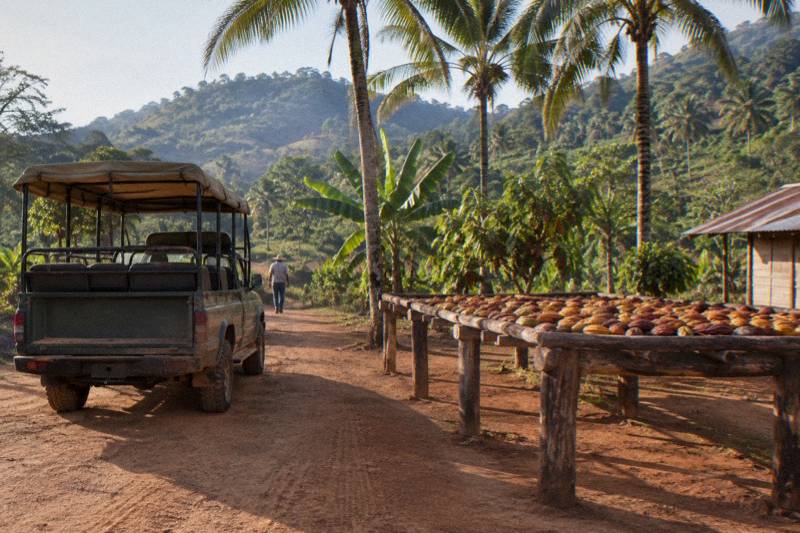
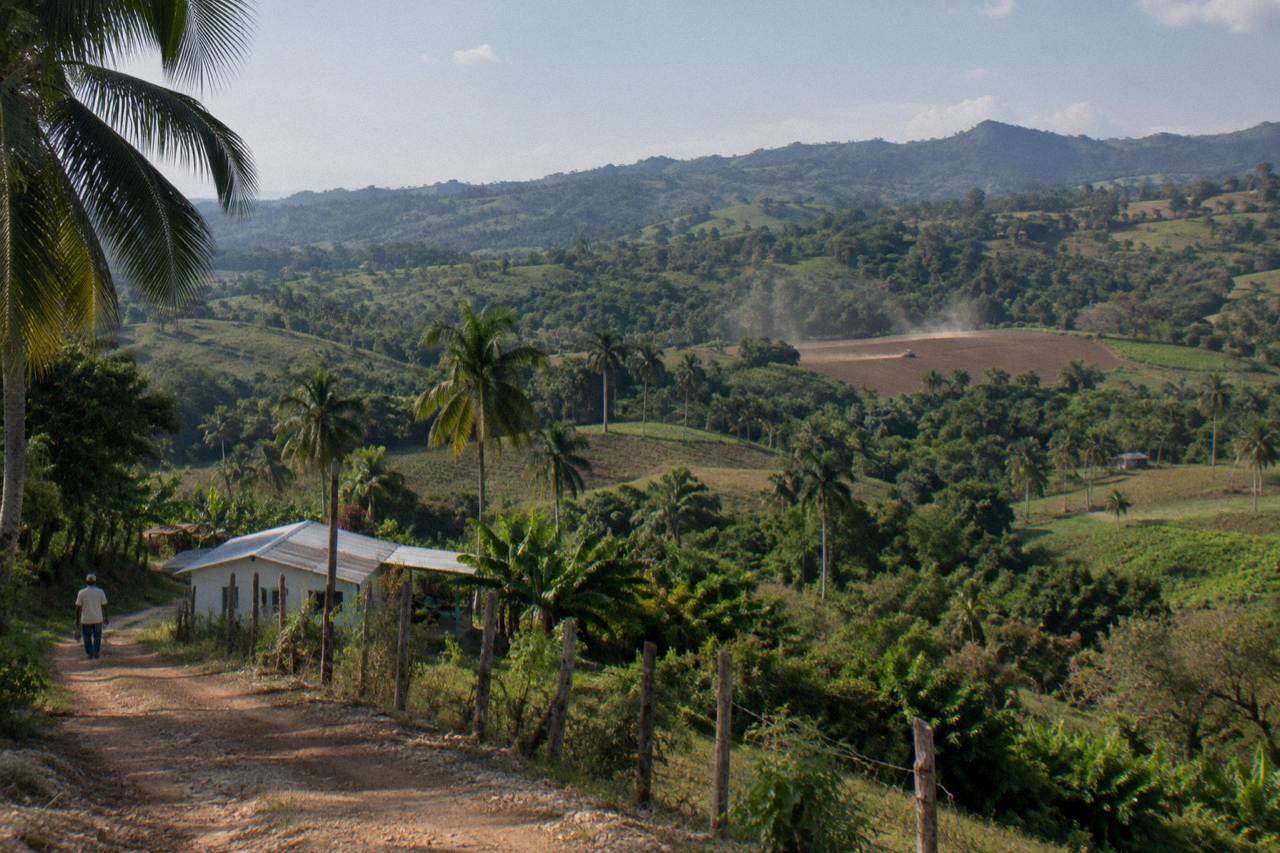
The Dominican Republic sells itself on turquoise water and palm-lined beaches, but search for its animals and one fact surprises almost everyone: there are no wild monkeys on the island. Not in the palm groves behind the resorts, not in the Anamuya hills, not on any road between Punta Cana and Samana. The only primate ever native to Hispaniola died out long before the first tourist flight landed, and every monkey a visitor meets today lives in a park and arrives on a tour truck. Still hoping to see monkeys swinging free in the Caribbean? The guide to the Caribbean islands where monkeys actually live wild covers which nearby islands make that possible, because the Dominican Republic itself has none.
That fact reframes the whole question of what you can see. This guide walks through the island's real animal story: the extinct primate in the fossil record, the parks near Punta Cana where monkeys take fruit from visitors' hands, the Monkey Jungle venue at Sosua, the cruise-port options at Amber Cove and Taino Bay, and how the climate calendar shapes any wildlife day out. Along the way it points to the specific bookable listings, like the Monkeyland and Plantation Safari Tour from Punta Cana, from $95 per person, that turn a wildlife curiosity into a planned morning.
What Wild Animals Live In The Dominican Republic?
The Dominican Republic's only native monkey, the Hispaniola monkey (Antillothrix bernensis), is extinct, known today from cave fossils, so no wild or feral monkey population exists anywhere on the island; the animals visitors meet are squirrel monkeys kept in enclosed parks such as the 5-acre Monkeyland near Punta Cana. If you're weighing a visit yourself, our guide to squirrel monkey friendliness at Dominican parks explains the hand feeding rules and what guests actually report from the encounters.
That single fact is the honest starting point for any wildlife question about this island. The paleontological record, not a tourism brochure, tells the primate story: remains of the Hispaniola monkey have come out of caves including Cueva de Berna, La Jeringa and Cueva Macho, with the oldest fossils dating to roughly 1.32 million years ago and the species extinct during the Holocene, the geological epoch we still live in. The fossil record for the Hispaniola monkey is the authority here, not any Dominican government statement, because no official DR page addresses the question at all.
No source, scientific or official, documents a surviving wild population or an established feral group. So when a resort staffer or a forum poster mentions monkeys seen "in the jungle," they are describing a park visit or a misidentified animal, not a wild sighting. This site's own guide to the extinct Hispaniola monkey covers the fossil evidence in depth for readers who want the full paleontology.
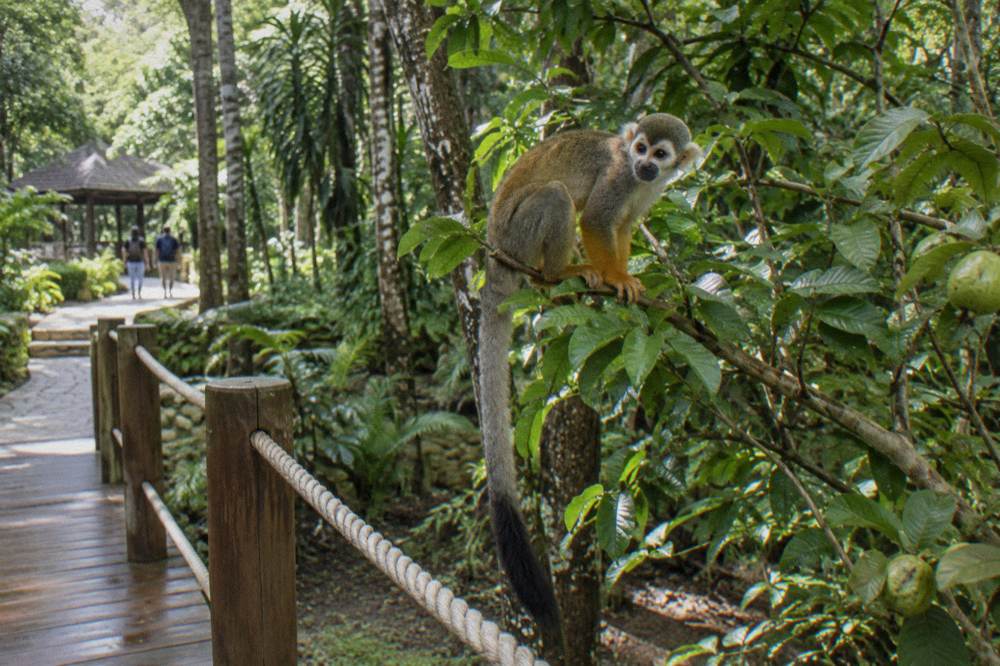
What remains genuinely wild on the island is mostly small, shy and nocturnal, which is exactly why tourists so rarely see it. The reliable, bookable animal experiences are the parks, and the parks mean one species above all: the squirrel monkey. Two families of them live at Monkeyland in the Anamuya hills, where the official tourism portal describes visitors feeding them by hand for up to an hour at a time. That is the practical wildlife answer for most travelers, and it is the thread this site is built around.
Can You See Monkeys Without Visiting A Park?
No: because no wild monkeys live on Hispaniola, every monkey encounter in the Dominican Republic happens inside an enclosed park, from the 5-acre Monkeyland near Punta Cana to Monkey Jungle at Sosua, and each is reached by booking a tour or paying admission rather than by walking or driving around hoping for a sighting.
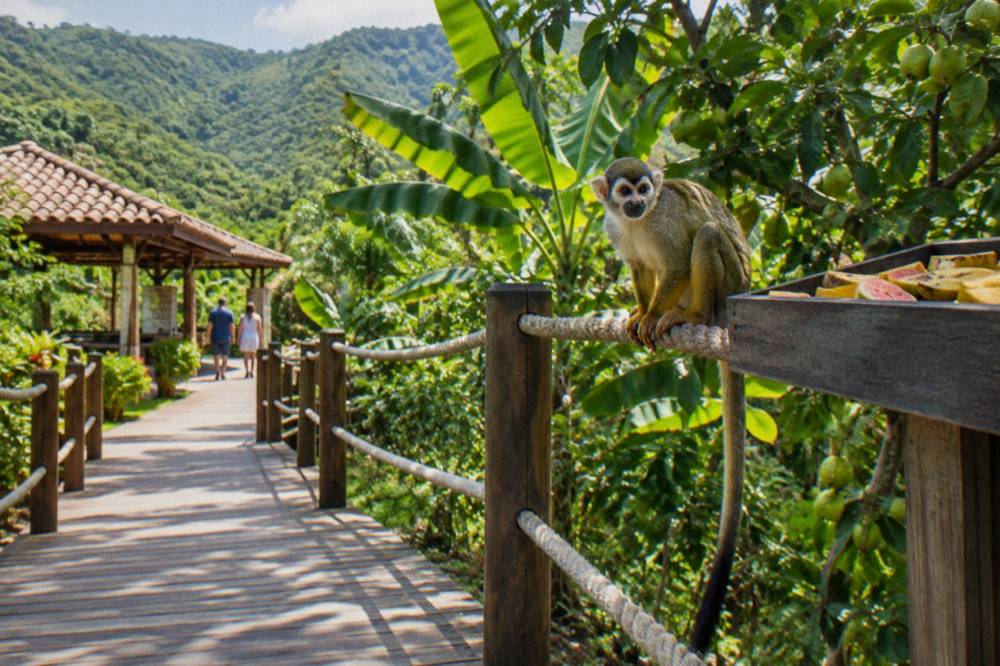
This is worth stating plainly because so much online copy implies otherwise. Listings for monkey tours make the setting sound wilder than it is. You visit an enclosed park of about five acres, and the monkeys come to you, moving between the trees and visitors' shoulders. But the island as a whole has no free-living monkey population, and a chance roadside or beach encounter is not something any honest guide can promise or even hint at. For the full picture on how booking works without a package, see whether you can visit Monkeyland without a tour.
The practical consequence is that "seeing animals" in the Dominican Republic means choosing a product. The three Punta Cana listings below are the core options: the featured Monkeyland and Plantation Safari Tour, the half-day safari version, and a third guided jungle tour from a different operator, each combining the monkey park with a plantation or countryside element.
Comparing the three shows how similar the park visit itself is and how much the packaging differs. All three include the guided squirrel monkey encounter that the listings describe, and all three offer free cancellation. Hotel pickup is listed on all three Punta Cana tours.
| Listing | Rating and reviews | Price | Duration |
|---|---|---|---|
| Monkeyland and Plantation Safari Tour from Punta Cana | 4.8 from 4,865 reviews | From $95 per person | 6 hours |
| Punta Cana: Monkeyland Half-Day Safari and Plantation | 4.6 from 1,648 reviews | From $95 per person | 5 to 5.5 hours |
| Monkeyland Punta Cana Natural Jungle and Guided Safari Tour | No reviews yet | From $109 per person | 5 hours |
The featured tour, run by Runners Adventures, adds a coffee and cacao demonstration at a typical Dominican house to the monkey visit, and its listing includes hotel pickup and drop-off plus bottled water, with food and gratuities excluded. The half-day version covers the same ground in a shorter window, with a morning pickup window between 7:00 and 8:10 AM and an afternoon window between 1:00 and 2:10 PM. The third listing, from operator Somos Viaje, bundles the botanical garden walk and a product tasting into its five hours. Choosing between them is less about animals and more about schedule and appetite.
Which Animal Parks Can Tourists Visit Around Punta Cana?
Around Punta Cana the realistic animal option is Monkeyland, a 5-acre monkey park in the Anamuya hills holding two families of squirrel monkeys, reached through operator tours from $95 per person, plus the Monkey House VIP experience with monkeys from $90 per person; there is no standalone Monkeyland gate you can simply walk up to.
Monkeyland has no official standalone website, which is unusual for such a heavily sold attraction. Visitors reach it exclusively through operators, with Runners Adventures dominating the listings, and the official tourism portal's Monkeyland entry is the closest thing to an authority page, describing the two monkey families and the hand-feeding format. That portal lists a contact number for the park itself, but no direct booking channel.
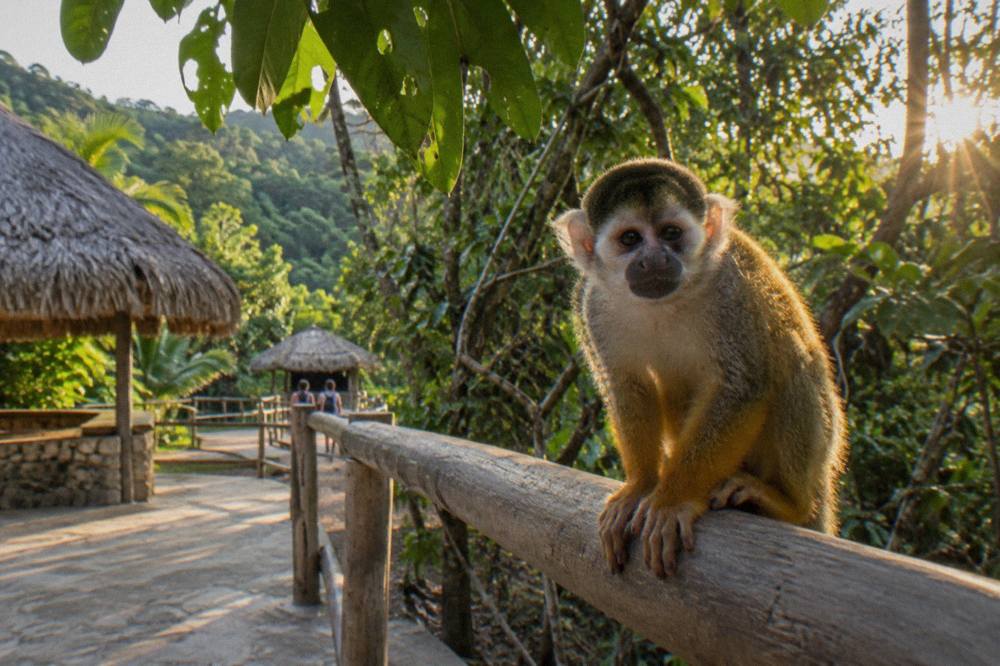
The alternative in the Punta Cana area is different in character. Monkey House VIP Animal Sanctuary Experience, from $90 per person for 2 hours 30 minutes, is rated 4.9 from 61 reviews and lists itself as wheelchair accessible, which most Monkeyland tours do not. Its listing describes close contact with monkeys in a VIP format; one reviewer mentions four different types. Between the two, Monkeyland is the established, most reviewed option and Monkey House is the shorter, more accessible one.
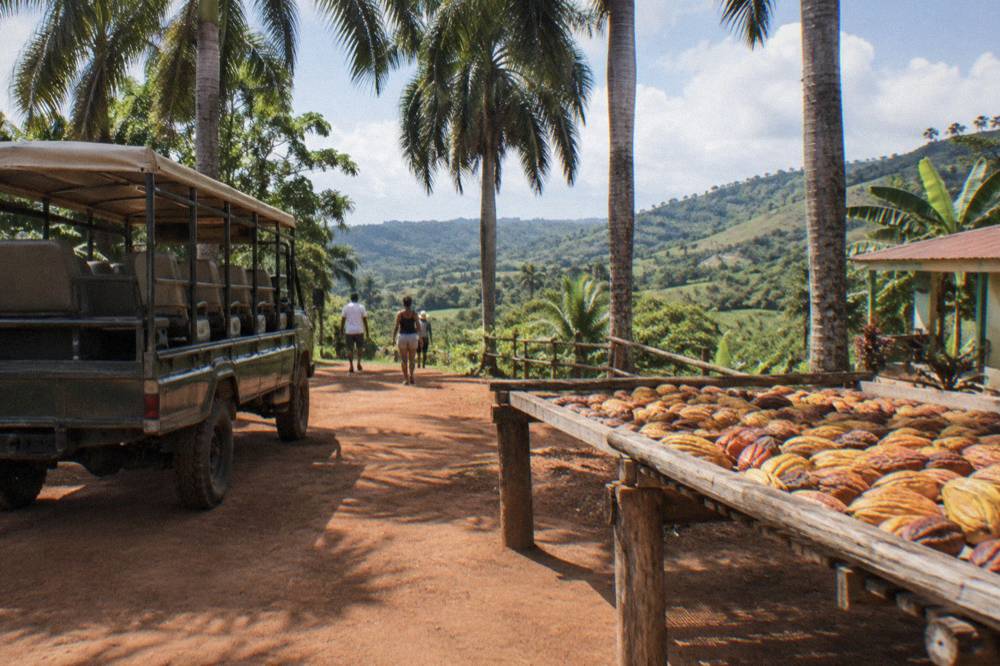
The featured plantation safari deserves its spot at the top of most shortlists: 4.8 from 4,865 reviews at $95 per person, six hours door to door, pickup listed, free cancellation listed. You can read the full Monkeyland and Plantation Safari Tour page on this site or check availability on the live listing. For budget framing, the blog on what a Monkeyland trip costs breaks the numbers down line by line.
What Animals Will You Meet At Monkeyland And Monkey Jungle?
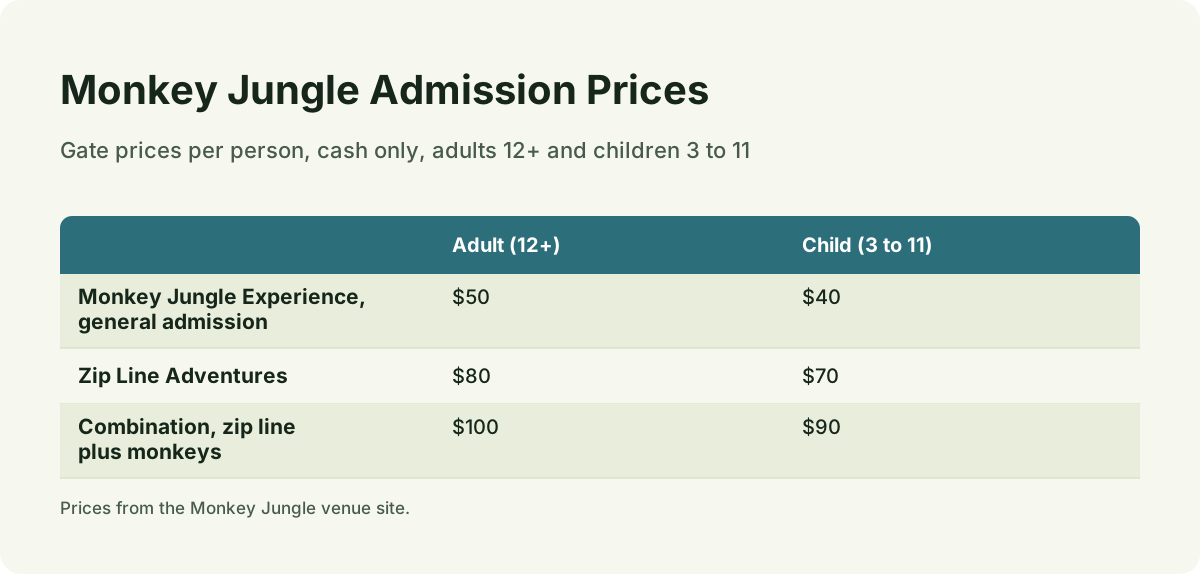
At Monkeyland near Punta Cana, visitors meet squirrel monkeys that listings describe taking fruit from hands and sitting on shoulders. At Monkey Jungle near Sosua, monkeys and a zip line are the draw, with admission at $50 for adults and $40 for children aged 3 to 11, cash only.
The two parks are frequently confused because their names blur together in search results, and this site keeps a dedicated comparison in the Monkeyland versus Monkey Jungle matchup. The species question illustrates why sourcing matters. For Monkeyland, squirrel monkeys are confirmed by the official tourism portal.
What the Monkey Jungle homepage does state, plainly, is the practical picture: open 9:00 AM to 4:00 PM, closed on Sundays, no reservations required though recommended in high season, cash only, and profits going to HADAC, the venue's non-profit organization, which supports medical and dental clinics on site. The gate prices from the Monkey Jungle official site are fixed and published, unlike Monkeyland, where price exists only as tour pricing.
| Option at Monkey Jungle | Adult (12+) | Child (3 to 11) |
|---|---|---|
| Monkey Jungle Experience, general admission | $50 | $40 |
| Zip Line Adventures | $80 | $70 |
| Combination, zip line plus monkeys | $100 | $90 |
The operator rules at Monkeyland also shape what a visit feels like. The Runners Adventures listing states that guests with heart conditions, mobility problems, epilepsy or upper respiratory infections are not permitted, that the tour is not available to pregnant women, and that visitors should not wear sunscreen or insect repellent before the interaction. People with colds or flu are barred from some Monkeyland combo tours, and severe peanut allergies rule out the interaction on several listings. These are animal-welfare measures as much as safety ones, and they are worth reading before booking rather than at the gate.
For the wider ethics picture, including what operators claim about group limits and veterinary care and the fact that no independent welfare review of Monkeyland could be located, see the dedicated piece on whether Monkeyland is ethical. This article sticks to what is stated and sourced.
When Is The Best Time Of Year For Animal Activities?
The best calendar windows for park-based animal tours are the drier months. Daytime highs in Punta Cana hold between 28 and 32 C through the year. Punta Cana's monthly rainfall ranges between about 53 and 142 mm, and October is usually the wettest month. The Atlantic hurricane season runs from 1 June to 30 November, according to the National Hurricane Center.
Because every monkey experience on this island is a booked park visit rather than a weather-dependent sighting, the climate question matters mostly for comfort: a safari truck ride and an open-air encounter are simply more pleasant outside the wettest weeks. The temperature band barely moves, so the real variable is rain. The official season definition comes from the NOAA National Hurricane Center, whose season runs 1 June to 30 November, which is why shoulder months outside that window are consistently the calmest planning choice.
| Period | Typical Punta Cana conditions | What it means for animal tours |
|---|---|---|
| December to February | Highs near 28 to 29 C, drier months in the 53 to 142 mm annual rainfall range | Comfortable truck rides, busy with escaping winter visitors |
| March to May | Highs climbing toward 30 C, moderate rainfall | Good balance of heat, crowds and pricing |
| June to August | Highs around 31 to 32 C, higher humidity | Warm but workable; book morning departures |
| September to November | Highs near 32 C, October typically the wettest month | Inside hurricane season; keep an eye on forecasts and pick free-cancellation listings |
One planning note that is easy to miss: free cancellation is standard across every monkey tour on this page that names a cancellation policy, and the tours generally run rain or shine. One buggy operator states its tour goes ahead in any weather, with a full refund if you cancel at least 24 hours ahead. In the wetter months that policy is worth as much as the forecast. For a deeper dive on timing the monkey park specifically, the best time to visit Monkeyland guide handles the seasonality question in full.
Do Cruise Passengers Have Animal Excursion Options?
Yes: cruise passengers at Amber Cove and Taino Bay get the shortest and cheapest monkey options here, including a Monkey Interaction Shore Excursion from $65 per person rated 5.0 from 16 reviews that lasts 50 minutes, plus a 2-hour monkey tour from $89.30 per person, both with port pickup.
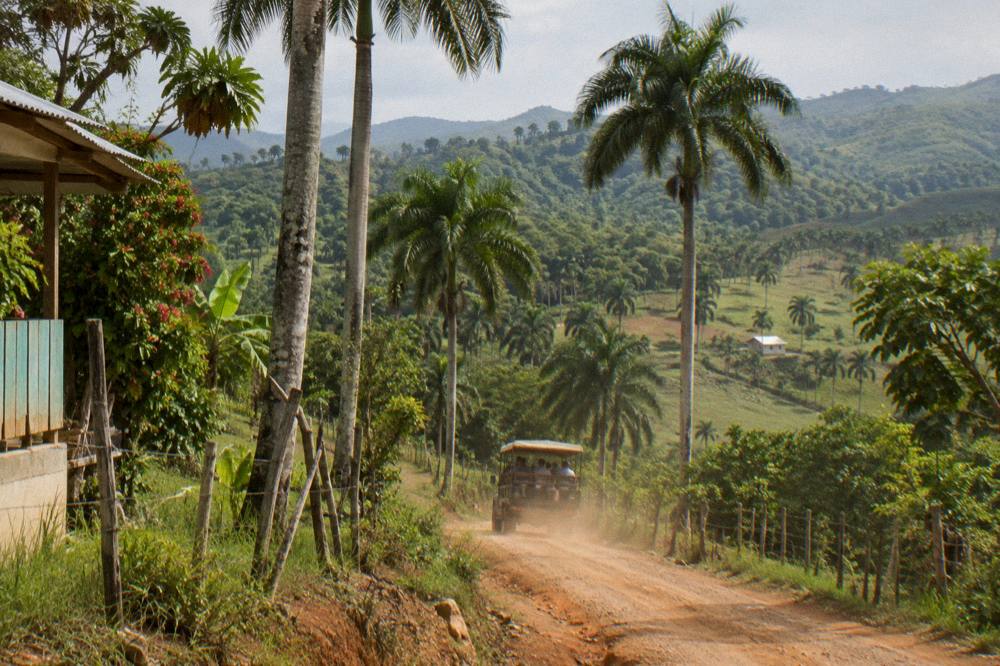
Cruise stops compress everything, so the port excursions are built deliberately short, nothing like a six-hour plantation day. The 50-minute shore excursion from Tamares Tours and Transfer lists pickup, WiFi on board, an air-conditioned vehicle and the entrance fee, and its listing describes monkeys climbing onto shoulders, hands or heads for photos in an interactive enclosure. The 2-hour Carlos Tours version from $89.30 per person includes round-trip transport from either port, the sanctuary entrance and a local guide, but is explicitly an observation experience where touching, holding and feeding are not permitted.
The distinction between an interactive and an observational visit is the single most important thing a cruise passenger can check before booking, and it is printed in each listing's own restrictions rather than in marketing copy. The Amber Cove and Taino Bay monkey tours guide compares every port option line by line.
One entry formality simplifies port days: cruise passengers do not need the Dominican E-Ticket at all, since the official tourism site exempts arrivals by cruise ship and accepts physical customs forms instead. That is a genuine difference from fly-in visitors, who must complete the free form before the airline counter.
How Do You Build A Wildlife Day From Each Resort Area?
The practical formula is simple: pick the animal park within reach of your base, from Punta Cana's Monkeyland tours at $95 per person to Puerto Plata's 4.9-rated Monkeyland tour at $69 per person and Samana's shared adventure at $65, then decide whether to bolt on a zip line, buggy ride or waterfall, since most areas sell both a standalone monkey visit and a combo.
Geography does most of the deciding. Punta Cana and Bavaro visitors have the deepest menu, including the adventure bundle that stacks Monkeyland, a 12-cable zip line circuit and a buggy ride into a 9 hours 30 minutes day from $209 per person, rated 4.9 from 13,844 reviews, the most reviewed trip on this page. Puerto Plata visitors split between Monkeyland-branded tours and Monkey Jungle at Sosua, which they can enter directly at the gate with cash. Samana has the cheapest entry point, and La Romana, Bayahibe and Juan Dolio each have their own departures.
| Departure area | Standalone monkey option | Combo option |
|---|---|---|
| Punta Cana | Monkeyland and Plantation Safari, from $95 per person, 6 hours | Adventure Bundle with zip lines and buggies, from $209 per person, 9 hours 30 minutes |
| Puerto Plata | Monkeyland Puerto Plata, from $69 per person, 4 hours 30 minutes | Monkeyland and Zipline Adventure, from $90 per person, 6 hours |
| Samana | Monkeyland Samana Shared Adventure, from $65 per person, 1 hour | Monkeyland and open-air safari truck tour, from $65 per person, 4 hours |
| La Romana / Bayahibe | Monkeyland and Plantation Safari from La Romana, from $95 per person, 4 hours | 4x4 Buggy and Monkeyland Tour, from $179 per group, 8 hours |
| Amber Cove / Taino Bay ports | Monkey Interaction Shore Excursion, from $65 per person, 50 minutes | Monkey Park and Damajagua waterfalls, from $87 per person, 4 hours 30 minutes |
Two details deserve a flag before anyone books. Monkeyland Puerto Plata, at 4.9 from 1,549 reviews and from $69 per person, does not confirm pickup on its listing, so travelers should verify transport before assuming it. And several buggy and group listings price per group rather than per person, which changes the math completely for families: from $179 per group splits very differently between two travelers and six.
For the north coast, the full picture of the town, the port and the surrounding area is in the things to do in Puerto Plata guide. And for readers whose wildlife interest starts and ends with the animals rather than the adrenalin, Monkeys in Dominican Republic exists precisely to sort these listings honestly, because the island's one guaranteed animal story is the one behind a park gate.
Common Questions About Wild Animals In The Dominican Republic
Are There Wild Monkeys In The Dominican Republic?
No. The island's only native primate, the Hispaniola monkey, is extinct and known only from cave fossils. No wild or feral monkey population exists anywhere on Hispaniola today.
What Monkeys Can Tourists Actually See?
Squirrel monkeys kept in parks, mainly Monkeyland near Punta Cana, where two families live on five acres and listings describe hand-feeding sessions of about 45 minutes, plus Monkey House VIP, which also keeps monkeys.
What Other Wild Animals Live In The Dominican Republic?
The island has native wildlife, but it is small, shy and largely nocturnal, so tourists rarely encounter it. The animal experience you can reliably book is a park visit; wild sightings of any species cannot be promised.
The Monkeyland Samana Shared Adventure and the Amber Cove shore excursion both start at $65 per person, the cheapest tours you can book here. Fly-in visitors need the free E-Ticket form completed before the airline counter; cruise passengers arriving at Amber Cove or Taino Bay do not, per the official tourism site. Yes. Monkey Jungle at Sosua requires no reservations, is open 9:00 AM to 4:00 PM except Sundays, takes cash only, and charges $50 adult and $40 child admission.Which Monkey Tour Is The Cheapest?
Do I Need The E-Ticket To Visit An Animal Park?
Can I Visit Monkey Jungle Without A Tour?