What Is Nicer, Punta Cana Or Puerto Plata?
Punta Cana and Puerto Plata both run squirrel monkey tours. This comparison breaks down beaches, prices, weather and monkey excursions to help you pick a coast.
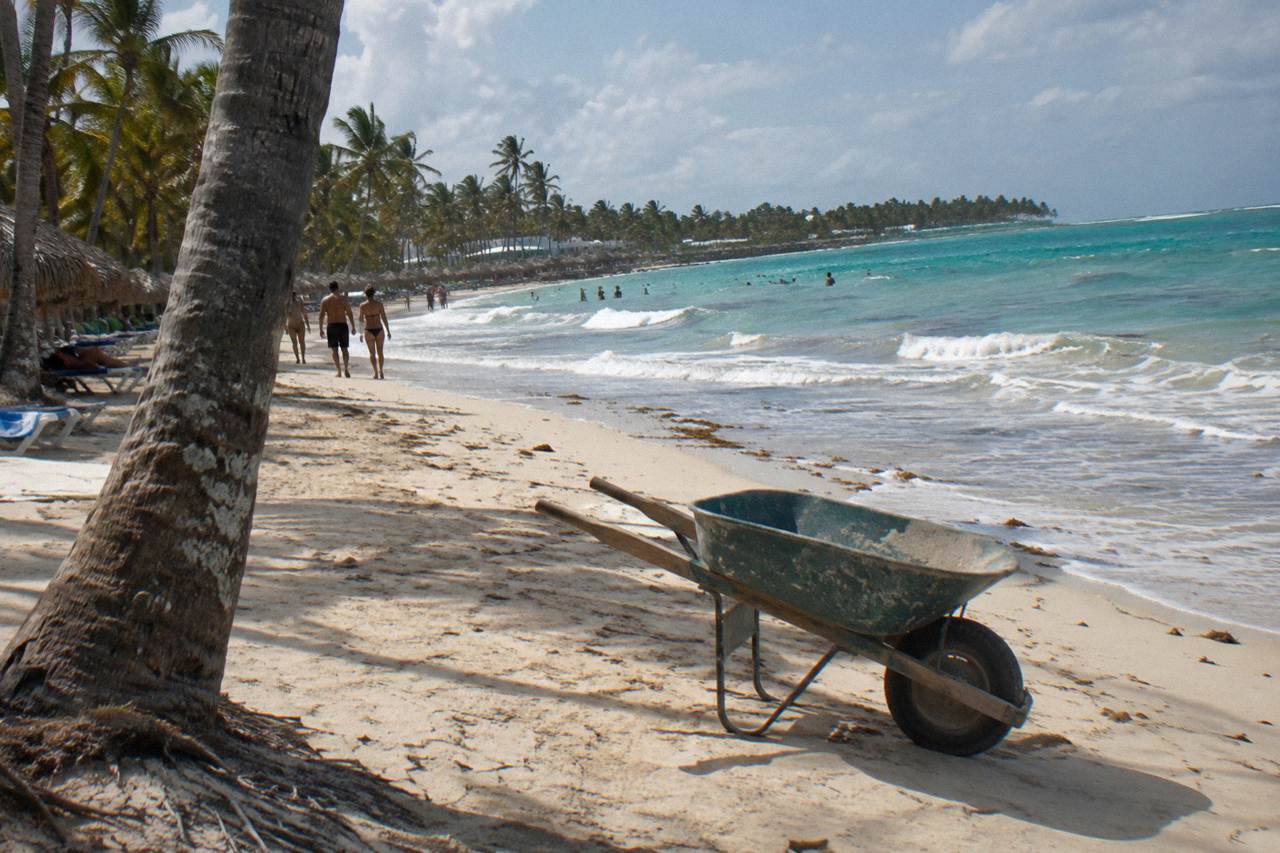
Choosing between Punta Cana and Puerto Plata is really a choice between two different versions of the Dominican Republic. Punta Cana, on the eastern tip, is the country's biggest resort zone: long pale beaches, huge all-inclusives, and the largest concentration of booked excursions anywhere on the island. Puerto Plata, on the north coast, is older, greener and hillier, with a historic town center, a cable car, and a spread-out feel that many returning visitors prefer. The country has no native wild monkeys; the only primate ever native to Hispaniola, the extinct Hispaniola monkey, survives only as cave fossils. Every monkey experience on either coast is a visit to a park where squirrel monkeys are kept, and that framing matters when you weigh what each coast offers.
Neither coast is objectively nicer, and the honest answer is that Punta Cana suits first-time visitors who want beach resorts, dependable excursion logistics and the widest choice of monkey tours, while Puerto Plata suits travelers who want greener scenery, a real town, lower typical costs and a quieter pace, with a smaller but cheaper set of monkey parks on its doorstep. The two coasts even differ in when they get rain: typical figures place Punta Cana's daytime highs between 28 and 32 degrees Celsius across the year, while the north coast sees wetter late-autumn months. If a monkey encounter is the point of the trip, both coasts deliver it. Punta Cana has more listings, more reviews behind them and more combo formats; Puerto Plata has the lower entry price for a comparable squirrel monkey visit.
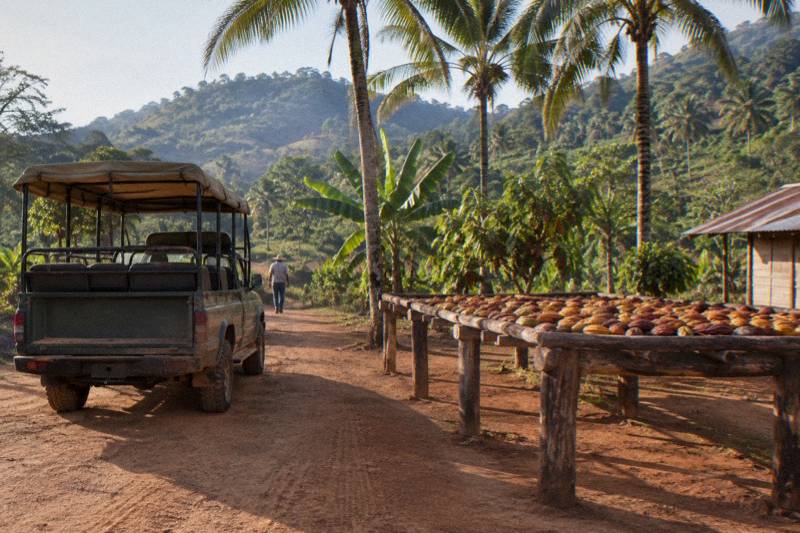
Start with the feel of each place. Punta Cana developed around tourism and behaves like it: resort gates, tour trucks on rural roads, and a strip of sand at Bavaro that photographs exactly as the brochures promise. The monkey park at the center of most Punta Cana excursions, Monkeyland, sits in the Anamuya hills inland, a five-acre park where two families of squirrel monkeys take food from guided visitor groups, according to the country's official tourism portal. Puerto Plata grew as a port town built on amber and tobacco trading, and its gingerbread balconied old town still reads as a living city rather than a resort annex. Between the two, the monkey offering splits by product type rather than by quality: Punta Cana carries the big combo days, Puerto Plata carries the short, cheap, port-friendly visits. If you're leaning toward the bigger Punta Cana combo days, our safety and cancellation guide for Punta Cana excursions right now explains the refund and pickup terms worth checking before you commit.
The wildlife framing is the same on both coasts. Neither destination can offer a wild monkey sighting, because no wild monkey population exists anywhere on the island today. What each coast sells is a park visit with habituated squirrel monkeys, plus, depending on the listing, a plantation stop, a zip line, a buggy ride or a swim. That is a genuinely good product, and both coasts run it well, but a traveler who arrives expecting something grander than an enclosed park has been mis-sold the island. The parks are enclosed, the groups are guided and the encounters are staged, which is precisely why they work reliably for families.
For a fuller run-down of the eastern option, the guide to Monkeys in Dominican Republic homepage comparison lays out how the Punta Cana monkey listings stack up, and the deeper dive on Monkeyland Punta Cana tours covers that park's operators one by one. On the north coast side, Monkeyland tours from Puerto Plata does the same job. If you are still deciding at the level of "which resort region," this article stays at coast level and compares the two head to head.
Which Coast Has The Better Monkey Tours?
Punta Cana has the larger and more reviewed monkey-tour menu, including the site's most reviewed excursion of all, a 9 hours 30 minutes Monkeyland, zipline and buggy bundle at 4.9 from 13,844 reviews, while Puerto Plata counters with the cheapest well-rated monkey day trip anywhere on the site, Monkeyland Puerto Plata, at 4.9 from 1,549 reviews and from $69 per person. Both coasts reach squirrel monkeys in a park setting. Neither offers anything wilder, and the difference is one of format: Punta Cana sells long combination days, Puerto Plata sells shorter, simpler visits that often pair with a waterfall or a cruise-port schedule.
Punta Cana has the deepest selection of tours. The featured Monkeyland and Plantation Safari Tour from Punta Cana runs 6 hours from $95 per person with hotel pickup listed, a 4.8 rating from 4,865 reviews, and a guided visit to the five-acre squirrel monkey park in the Anamuya hills. Travelers who want a fuller day can take the Punta Cana Monkeyland and Zipline Two Adventures in One Day listing, 8 hours from $130, rated 4.8 from 1,227 reviews, which adds a zip line course and a Dominican lunch to the same monkey stop. The biggest product on the whole site, the Adventure Bundle combining Monkeyland, ziplines and buggies, also departs from Punta Cana. In short: if you want choice, combos and review depth, the east coast wins on paper.
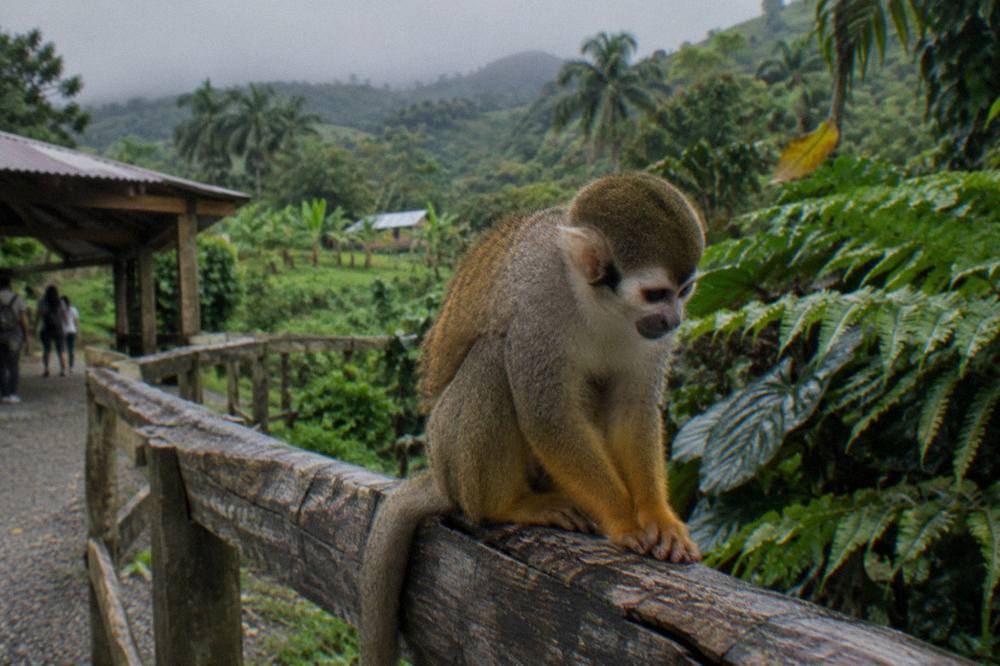
Puerto Plata's offering is smaller but sharper on price. Monkeyland Puerto Plata, a 4.5-hour group safari from $69 per person, carries a 4.9 rating from 1,549 reviews. Its listing does not confirm hotel pickup, though, so check the booking page before assuming transport. The Monkeyland and Zipline Adventure from Puerto Plata, 6 hours from $90 with pickup listed, rates 4.9 from 403 reviews and pairs the monkeys with a zip line at Monkey Jungle forest. Cruise passengers docking at Amber Cove or Taino Bay have their own options, including a 50-minute Monkey Interaction Shore Excursion that starts at $65 per person, rated 5.0 from 16 reviews and built around ship schedules. The monkeys are the same species in the same kind of park; the difference is that the north coast asks less money and less of your day.
One structural point is worth knowing before you compare listings. "Monkeyland" is a name used by connected operators in more than one region, and a Punta Cana Monkeyland ticket is not the same product as a Puerto Plata Monkeyland ticket even when the operator name matches. Durations, prices, inclusions and departure zones all differ, as the table below shows. The guide to Monkeyland tickets and prices untangles this in more detail, especially for travelers booking their first monkey tour in the country.
| Tour | Coast | Duration | Price | Rating and reviews |
|---|---|---|---|---|
| Monkeyland and Plantation Safari Tour from Punta Cana | East | 6 hours | From $95 per person | 4.8 from 4,865 |
| Punta Cana Monkeyland and Zipline Two Adventures in One Day | East | 8 hours | From $130 per person | 4.8 from 1,227 |
| Adventure Bundle: Monkeyland, Ziplines & Buggies | East | 9 hours 30 minutes | From $209 per person | 4.9 from 13,844 |
| Monkeyland Puerto Plata | North | 4 hours 30 minutes | From $69 per person | 4.9 from 1,549 |
| Monkeyland and Zipline Adventure from Puerto Plata | North | 6 hours | From $90 per person | 4.9 from 403 |
| Monkey Interaction Shore Excursion from Amber Cove and Taino Bay | North | 50 minutes | From $65 per person | 5.0 from 16 |
Because the cta for any of these is a live-availability question rather than a fixed guarantee, the right move is checking the operator's live listing for your dates before committing to one coast or the other.
What Does Each Coast Cost?
On monkey tours alone, Puerto Plata is the cheaper coast at every tier that exists on both coasts: its headline monkey safari starts at $69 per person against Punta Cana's $95, its monkey-plus-zipline day is $90 against $130, and its shortest port visit is $65, though Punta Cana's listings bundle more hours, more activities and, in several cases, lunch into the higher prices. For the wider holiday, prices depend more on your hotel and season than on the coastline, and no reliable all-in cost comparison between the two resort zones can be made from the tour data alone.
The pattern in the table above repeats across the full set of tours. The cheapest monkey tour you can book here is the 50-minute Monkey Interaction Shore Excursion from Amber Cove and Taino Bay, from $65 per person, a north-coast option built around cruise schedules. Punta Cana's floor is $95 for the standard half-day plantation safari, and its ceiling is the $209 Adventure Bundle, a 9.5-hour day that includes a 12-cable zip line circuit, a buggy ride, Monkeyland entrance, bottled water and a Dominican lunch, with a locker fee of $5 listed as an exclusion. So a fair way to read it: the east coast sells bigger days, the north coast sells shorter ones, and the per-hour cost lands closer than the headline prices suggest.
If you plan to drive yourself rather than book a tour, the north coast also has a walk-in monkey venue. Monkey Jungle, inland from Sosua, sells general admission on its own site at $50 for visitors 12 and up and $40 for children 3 to 11, cash only, with zip line and combination tickets at higher tiers. It is open 9:00 am to 4:00 pm and closed Sundays, with no reservations required though they are recommended in high season. That kind of independent, pay-at-the-gate option has no Punta Cana equivalent among the verified listings: Monkeyland in the Anamuya hills has no standalone booking site of its own and is reached through operators, which is why every east-coast monkey product on this site is a tour with transport.
One cost note applies equally to both coasts. Prices are per person or per group, in US dollars, and they do not include gratuities, souvenir photos or, on some tours, locker fees. Budget a little cash beyond the ticket on either coast for tips and photos, since those are the two exclusions that appear most consistently across operators.
Punta Cana Or Puerto Plata For Weather?
Both coasts are warm year round, with typical Punta Cana daytime highs of 28 to 32 degrees Celsius, but the north coast around Puerto Plata is the wetter of the two, with a pronounced wet stretch in the late autumn months, and both coasts sit inside the Atlantic hurricane season that runs from 1 June to 30 November, so the calendar matters more than the coastline when picking between them. Weather rarely cancels a monkey tour on either side; the parks are inland, the trucks run in light rain, and the monkeys keep feeding regardless.
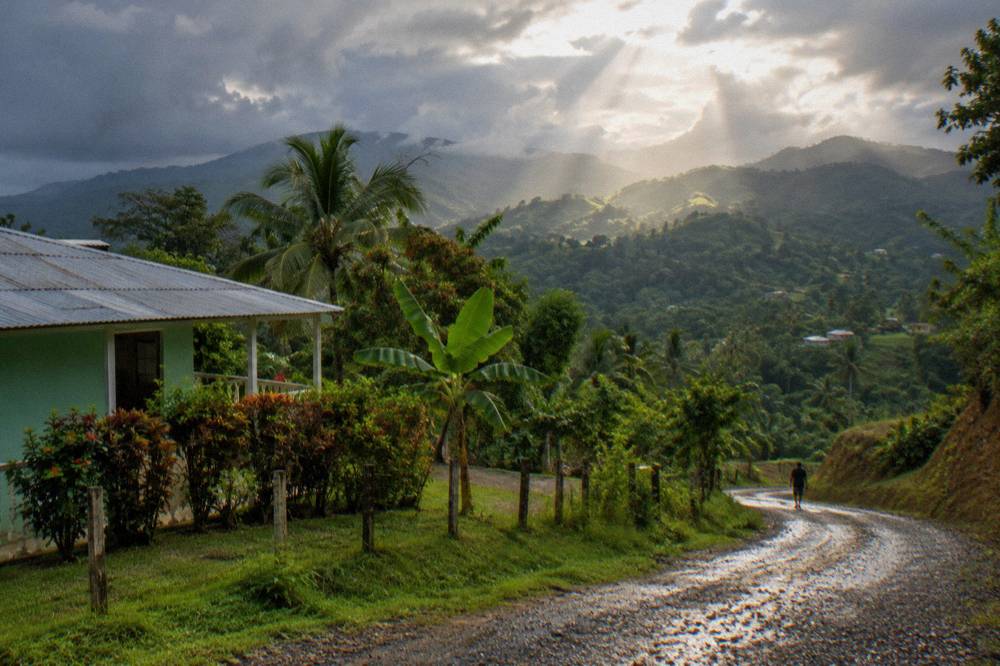
The trade-wind geography explains most of the difference. Punta Cana faces east and gets the steady Caribbean-side regime: drier first months of the year, a wetter late summer and autumn, and dependable sun between showers. Puerto Plata faces north onto the Atlantic and takes frontal systems and autumn troughs more directly, which is why its wettest typical months sit in late autumn while its early-summer stretch is comparatively dry, an inversion of what visitors expect. A June trip can be drier in Puerto Plata than in Punta Cana; a November trip will usually be the reverse. For tour planning, either coast works in any month, but a north-coast visit in the wet stretch benefits from a morning slot, when rain is statistically less likely and the excursion trucks are less crowded.
Hurricane awareness applies to both coasts identically. The official season is 1 June to 30 November, and the National Hurricane Center's tropical weather outlooks are the reference to watch in the weeks before any Caribbean trip in that window. Most monkey tours book with free cancellation, so you have an exit if a storm system disrupts your dates. What weather does not change is the product itself: these are park visits, not open-sea excursions, and operators describe them running through ordinary rain.
Seasonality also shifts crowds rather than animal behavior. The parks limit group sizes and run timed entries, so a high-season week means more trucks on the road and fuller time slots, while a shoulder week means smaller groups at the same prices. Travelers who can visit outside peak weeks often report a calmer monkey interaction on either coast, simply because fewer people share the enclosure at once. For month-by-month detail on the east-coast park, the best time to go to Monkeyland breaks the calendar down.
| Factor | Punta Cana (east) | Puerto Plata (north) |
|---|---|---|
| Typical daytime high | 28 to 32 C | 28 to 32 C |
| Rain pattern | Wetter late summer and autumn | Pronounced wet stretch in late autumn |
| Hurricane exposure | Season 1 June to 30 November | Season 1 June to 30 November |
| Tour logistics in rain | Safari trucks and park visits run in light rain | Same, with waterfall tours more rain-sensitive |
| Best months for a dry visit | Early months of the year | Early-summer stretch |
Which Coast Suits Your Trip Style?
Pick Punta Cana if you want a resort-base holiday with the deepest excursion menu, long combo days and the most-reviewed operators; pick Puerto Plata if you want a real town, greener terrain, lower monkey-tour prices and shorter excursions that leave half your day free. Neither choice locks you out of anything: cruise passengers reach north-coast monkey parks without a hotel at all, and east-coast visitors can book everything from a two-hour monkey stop to a full 9.5-hour triple-activity day. If the east coast wins you over, our guide to slotting a monkey tour into a week of Punta Cana excursions shows how it stacks up against Saona, Hoyo Azul and the buggy runs.
The family calculus slightly favors the east coast for convenience and the north coast for stamina. Punta Cana's listing set includes products with lunch included, hotel pickup listed and long durations that eat a whole day, which suits families who want one big outing and pool time the rest of the week. The featured Monkeyland and Plantation Safari, 6 hours from $95, is the classic choice there. Puerto Plata's shorter formats, like the 4.5-hour Monkeyland Puerto Plata safari or the 50-minute shore excursion, suit younger children, cruise timetables and travelers who tire of heat and truck roads. One operator restriction recurs on both coasts and should be checked against your group: several listings exclude pregnant travelers and people with heart conditions, and the Runners Adventures half-day listing also excludes anyone with epilepsy or an upper respiratory infection, plus it asks visitors not to wear sunscreen or insect repellent before the monkey interaction.
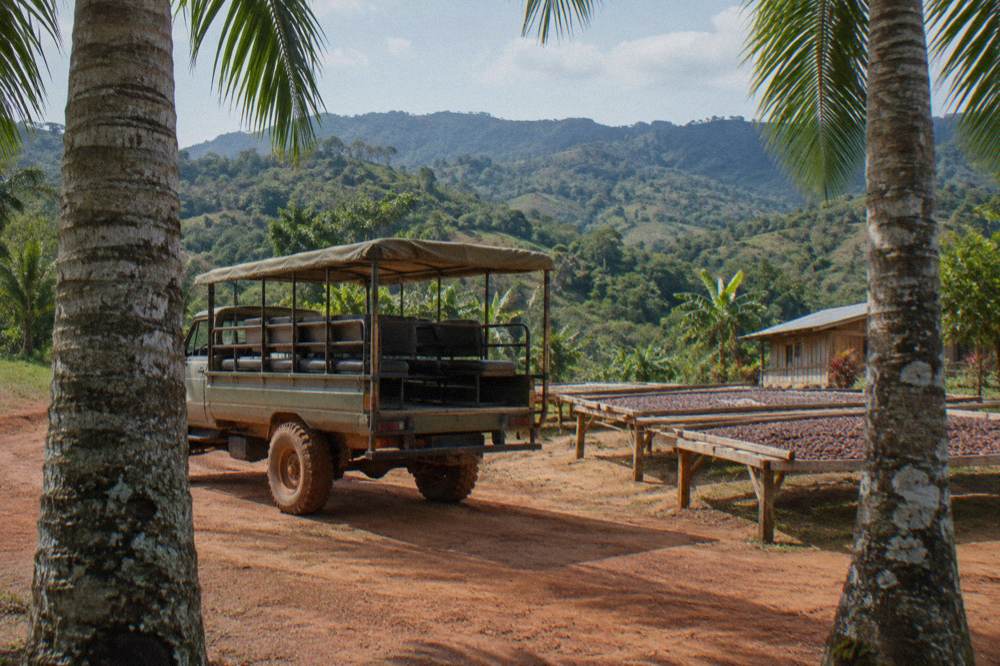
Cruise passengers have a clear answer: if your ship docks at Amber Cove or Taino Bay, the north coast is your coast, and the port-specific monkey listings exist precisely for that schedule, with coordinated pickup and on-time return to the ship. If your cruise calls at La Romana on the south-east coast instead, a different set of Monkeyland departures covers you, covered in Monkeyland tours from La Romana and Bayahibe. The mistake to avoid is booking a Punta Cana Monkeyland listing while staying in Samana or Puerto Plata, or vice versa: several listings state plainly that they operate only from their named departure zone, and the same park name appears in all three regions.
Repeat visitors split in a telling way. Many travelers do Punta Cana first, then choose Puerto Plata for the second trip, drawn by the town, the cable car and the lower-key excursion scene, and the monkey tours fit that pattern too: having done the big combo day in the east, they book the cheap short visit in the north as a light half-morning. Others do the reverse and never leave the east. There is no wrong order, only a mismatch between expectations and coastline, and the table below is the fastest way to check yours.
| You are... | Better coast | Why |
|---|---|---|
| First-time visitor, all-inclusive resort stay | Punta Cana | Deepest excursion menu, pickup listed on most tours |
| Budget-focused on the monkey tour itself | Puerto Plata | From $69 headline, $65 port option, $90 monkey and zipline day |
| Family with young children | Either, shorter formats | 50-minute to 4.5-hour north-coast options fit small attention spans |
| Cruise passenger at Amber Cove or Taino Bay | Puerto Plata | Port-designed listings with ship-time guarantees |
| Traveler wanting one big activity day | Punta Cana | 8 to 9.5-hour zipline and buggy combos |
| Visitor who wants a town and independence | Puerto Plata | Old town, walk-in Monkey Jungle option, cash admission |
Whatever coast you land on, the booking mechanics are the same: read the listing's own inclusions and restrictions, confirm your pickup situation, and keep the free-cancellation window in mind. Both coasts run the same species in the same kind of park, and both coasts do it with a similar mix of guides, trucks and fruit baskets.
What Should You Know Before Booking Either Coast?
Before booking, know that no wild monkeys exist on either coast, that the parks are enclosed five-acre properties reached through operators in the east and a mix of tours and one cash-only gate in the north, that most listings carry free cancellation but restrictions on pregnancy, heart conditions and sometimes respiratory infections apply, and that entry paperwork for the country itself is a free online form that cruise passengers do not need. None of this is difficult, but each item is the kind of detail that spoils a day when learned at the gate.
The paperwork first, because it is the only item that can stop a trip before it starts. Arriving by air requires the free E-Ticket, an online entry and exit form completed before the airline counter, with one form covering up to seven people; the official tourism entry page at godominicanrepublic.com is the reference. Cruise passengers arriving at Amber Cove or Taino Bay do not need the E-Ticket at all, so the north-coast port crowd can skip that step entirely. Passport rules follow the standard six-month validity line, with a temporary measure allowing tourists from the US, Canada, the EU and several other countries to enter on a passport valid for the duration of the stay through 31 December 2026.
Then the animal-welfare question, which arrives on both coasts identically. Operators describe limited daily visitor numbers, supervision by guides and feeding protocols at the parks; the official tourism entry for the Punta Cana Monkeyland describes hand-feeding under guidance, mirrored on the park's tourism portal page. No independent welfare review, regulator statement or audit of any of these parks was located in preparing this site's coverage, and honesty requires saying so rather than either an endorsement or an accusation. What a visitor can do is follow the stated rules: no sunscreen or repellent before the interaction, no unsupervised feeding, and no grabbing at animals that choose to sit on a shoulder. The ethics discussion of Monkeyland runs through the arguments in full.
Finally, match the booking to the coast you are actually staying on. Pickup windows, departure zones and even the park names differ between regions, and the mistake to watch for is a mismatch: a Samana hotel booked against a Punta Cana listing, or a Puerto Plata stay booked against an east-coast combo. Check the departure field, confirm the pickup situation for your specific listing rather than assuming, and give the operator your accommodation details at booking time. The monkeys take care of the rest; they are, on every verified account from both coasts, the most reliable performers in the country's excursion lineup.
Common Questions About Punta Cana Or Puerto Plata
Which Coast Has The Cheaper Monkey Tour?
Puerto Plata. Its headline Monkeyland Puerto Plata safari starts at $69 per person, and a port-based 50-minute interaction starts at $65. Punta Cana's standard plantation safari starts at $95, with bigger combo days up to $209, though those bundle more hours and activities.
Can You See Wild Monkeys At Either Coast?
No. The Dominican Republic has no native wild monkeys today. The only primate native to Hispaniola, the Hispaniola monkey, is extinct and known from cave fossils. Every bookable monkey experience on both coasts is a visit to an enclosed park with squirrel monkeys.
Do Monkey Tours Run If It Rains?
Generally yes on both coasts. These are inland park visits by safari truck, not sea excursions, and operators describe them running in ordinary rain. Only serious tropical weather disrupts the schedule, and most listings carry free cancellation if your dates are affected.
Are The Monkeys Different On Each Coast?
No. Both coasts' tour listings describe squirrel monkeys in enclosed parks, fed by hand under guide supervision. The difference between coasts is price, duration and format, not the animals.