What To Wear To Monkeyland In Punta Cana?
Clothing, footwear and packing advice for a Monkeyland Punta Cana tour, from comfortable shoes and a hat to the operator rule: no sunscreen or insect repellent on skin before the squirrel monkey encounter.
Clothing at Monkeyland comes down to three things the operator rules make non-negotiable, plus a great deal of ordinary tropical common sense. The Runners Adventures half-day listing asks visitors to wear comfortable clothes, to skip sunscreen and insect repellent before the monkey interaction, and to bring a camera and extra cash. Closed shoes matter more if your day also includes a zipline or buggy circuit.
The park itself sits on five acres of countryside in the Anamuya hills outside Punta Cana, and every visit runs through an operator rather than a direct gate. That matters for clothing, because the tour you book shapes what you wear: a standalone Monkeyland visit such as the Monkeyland and Plantation Safari Tour from Punta Cana, 6 hours from $95 per person, is a fairly soft half-day, while a combo such as the Adventure Bundle: Monkeyland, Ziplines & Buggies adds harnesses, dust and a locker fee of $5 in cash. Each part of the decision is covered below: skip sunscreen and repellent before the monkeys, choose sensible shoes, pack light.
All three list hotel pickup and free cancellation.
Why Sunscreen And Insect Repellent Are Off Limits Before The Monkey Encounter
The Runners Adventures listing for the Punta Cana Monkeyland half-day safari states plainly: please do not wear sunscreen or insect repellent before the interaction. The rule exists because the squirrel monkeys take food from visitors' hands and climb close to them, and residue on skin transfers to fur the animals then ingest while grooming. Skip both products on the morning of your visit and plan sun protection through clothing and shade instead.
That instruction appears in the restrictions block of the half-day Monkeyland safari listing, not in small print somewhere incidental, so read it before you pack. Skip the sunscreen before pickup: guests who arrive wearing it may have to wash at the park or miss part of the encounter. The cleaner approach is to treat the rule as a packing instruction: long-sleeved ultralight shirts, a brimmed hat and sunglasses do the sun work that lotion otherwise would, and the park paths offer tree cover for much of the walk.
Timing is the practical part. Skip the repellent entirely on a Monkeyland day. Operators ban sunscreen, lotion and insect repellent before the interaction, and hands, wrists and forearms are exactly the surfaces the monkeys touch, so nothing should go on them at any point. The same listing asks visitors to bring extra cash for souvenirs and pictures, which is a hint that the commercial stops, where you might linger in the open sun, come with shade and indoor options rather than long exposed stretches.
A related restriction cluster shapes who should book at all, and it is worth knowing before you dress for a day you cannot join. The listing excludes guests with heart conditions, disability or mobility problems, epilepsy and upper respiratory infections, and it is not available to pregnant women. People with severe peanut allergies also cannot join several of the Monkeyland combo tours. None of this is clothing, but it belongs in the same pre-visit checklist, and the ethics questions around the park are covered separately in our piece on whether Monkeyland in Punta Cana is worth it.
There is a second, quieter reason the rule is strict, and it has to do with how the encounter is run. The roughly 45-minute guided tour brings a family of squirrel monkeys right up to the visitors, and the official Dominican Republic tourism portal describes the same park as a place where monkeys can be safely fed by hand. Both descriptions rest on the animals choosing to approach, and habituated animals that associate humans with food will lick, groom and grab whatever is within reach. Anything on your skin that is not water is, from the monkey's point of view, something to taste. Guides police the rule at the gate for that reason, and being the visitor who has to scrub lotion off in a restroom while the group walks in is a avoidable way to start the day.
The same logic extends to what you carry rather than wear. Strongly scented hand cream, perfume and after-shave all leave the same residue problem, and insect-repellent wristbands or stickers are a gray zone the listings do not address, so the conservative read is to leave them off too. If biting insects worry you on the truck rides, sit toward the middle of the vehicle and use the shade, and skip repellent until the monkey section is over and your hands are washed, since operators do not allow it near the monkeys. It is a small discipline for a morning, and it is the one preparation choice that most directly protects both you and the animals.
| Rule from the listing | What it means for clothing and packing |
|---|---|
| No sunscreen before the interaction | Rely on a hat, sunglasses and lightweight long sleeves |
| No insect repellent before the interaction | Keep repellent in the bag, never on hands or arms |
| Comfortable clothes requested | Breathable fabrics you can move and crouch in |
| Bring a camera and extra cash | Hands-free bag, since photos and souvenirs are sold on site |
| Lockers available for rent | Small padlock-friendly bag or minimal valuables |
The Best Footwear For Monkeyland And Its Combos
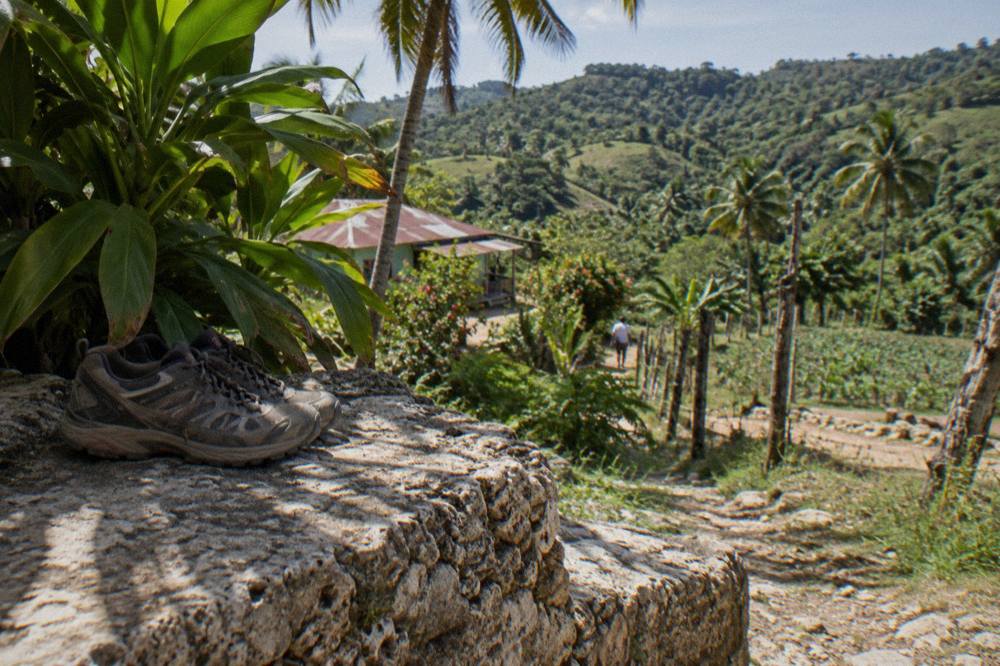
For a standalone Monkeyland and plantation visit, any comfortable closed-toe walking shoe works: the terrain is park paths and short garden walks, not a hike. For zipline and buggy combos the bar rises, because the Runners Adventures zipline listings specifically ask for closed shoes, and buggy circuits add mud, dust and hot metal surfaces. Sandals are workable in the truck but a poor choice for the whole day.
The footwear instruction is spelled out most clearly on the combo tours. The Ziplines Adventures & Monkeyland Entry listing asks visitors to wear comfortable clothing and closed shoes and to bring a camera, and the Monkeyland and Zip-Line Adventure from Puerto Plata carries the same request. On the Punta Cana side, the Monkeyland and Zipline Two Adventures in One Day tour, 8 hours from $130 per person with a Dominican lunch listed, is the product where shoes matter most: you move from a safari truck to a harness to a monkey park in one day, and the shoe that survives all three is a lightweight trainer or trail shoe with grip.
Sneakers rather than sandals, and socks rather than bare feet, also protect against two small frictions of the day. Harness straps sit across the top of the foot on ziplines, and buggy pedals and footwells get hot in the midday sun. Visitors on the standalone monkey tours, such as the Monkeyland and Plantation Safari Tour from Punta Cana, can check live availability and pickup details for their date through the operator's listing, and then pack exactly as the restrictions suggest: comfortable clothes, closed shoes for uneven garden ground, and nothing scented on the skin.
One footwear footnote for cruise passengers and short-stay visitors: the Monkey Interaction Shore Excursion from Amber Cove and Taino Bay lists an air-conditioned vehicle for transport and a 50-minute encounter format, and its listing recommends closed-toe shoes too. Shorter visits make shoe choice matter less, but the rule to skip sunscreen, lotion and repellent before the monkeys holds wherever they take food from hands.
Shoe age matters more than shoe type, and this is where a little honesty helps. A brand-new pair of stiff walking shoes on a hot day produces blisters faster than a broken-in old pair of trainers, and none of these tours involve terrain that rewards stiff boots. The plantation section of the classic safari includes stops at a typical Dominican house, coffee and cacao demonstrations and a botanical garden walk, all of it on prepared ground. The one surface that punishes bad footwear is the buggy track on combo days, where the failure mode is mud in the wet season and loose gravel in the dry. If you own one pair of worn-in sneakers, they are the right shoes for every tour on this page.
What To Wear In Each Season In Punta Cana
Punta Cana is warm year round, with typical daytime highs between 28 and 32 C, so the clothing answer barely changes by month: light, loose layers in every season. Rainfall is the bigger variable, spanning roughly 53 to 142 mm a month, with October usually the wettest. That argues for a light rain shell or quick-dry fabrics from late summer into autumn. Nothing about the park itself is seasonal in dress terms.
Those climate figures are long-term averages for the area rather than a forecast for your week, and the honest takeaway is simpler than a month-by-month wardrobe: the same outfit works in February and in September, and the only real adjustment is rain readiness. A packable rain jacket or a cheap poncho weighs little and covers the open-air safari truck rides that most Monkeyland tours use for transport between stops. Quick-dry fabrics beat cotton once an afternoon shower arrives, because you dry walking.
Sun protection here takes more planning than on most trips, and the operators' rule bears repeating: no sunscreen, lotion or repellent on your skin before the encounter, so your clothing has to carry the sun protection. A hat with a brim, a loose long-sleeve shirt in a light color, and sunglasses do more for you on a Monkeyland day than a bottle of SPF 50 ever will. The listed inclusions on most of these tours include bottled water, and the Ziplines Adventures & Monkeyland Entry listing adds fresh fruits and soft drinks, but bringing your own bottle is still sensible on a 32-degree afternoon.
Color choice is a small thing that visitors ask about, so it deserves a straight answer. Light colors reflect heat and hide dust poorly; dark colors hide dust but absorb the sun. On a buggy day, dust wins the argument and darker or patterned quick-dry clothing looks better by lunch than white cotton ever will. There is no evidence in the listings that color affects how the monkeys behave around you, so the only honest guidance is thermal and practical, not behavioral. What the monkeys respond to, per the Samana listing's warning about shiny objects, is sparkle and dangle, not shade.
| Item | Standalone monkey tour | Zipline combo | Buggy combo |
|---|---|---|---|
| Shoes | Comfortable closed-toe | Closed shoes required by listing | Closed shoes, expect mud and dust |
| Top | Light t-shirt or loose long sleeve | Fitted top, no loose scarves | Quick-dry shirt for splashes |
| Sun protection | Hat and sunglasses, no lotion | Same, plus gloves if you chafe on cables | Bandana for dust |
| Rain plan | Light poncho for truck rides | Tour runs listed rain or shine | Old clothes win over new ones |
| Extras | Cash for photos and tips | Cash for lockers and tips | Full change of clothes for after |
Clothing Rules For Zipline And Buggy Combos
Combo tours add two wardrobe constraints the monkey-only visit does not have. Ziplines mean fitted clothing, secured hair and nothing loose that can catch, and the Two Adventures in One Day listing includes safety equipment and a Dominican lunch, so dress to wear a harness all morning. Buggies mean dust and mud, and the buggy listings run rain or shine, so the clothing you would mourn should stay at the hotel.
The harness point sounds minor until you wear one. Long flowing skirts, loose scarves and dangling straps all conflict with zipline gear, and long hair needs a tie. The Puerto Plata Monkeyland and Zip-Line Adventure lists a maximum waistline of 44 inches, or 111 cm, for its harnesses, which is also worth knowing before booking rather than dressing. On the Punta Cana side, the same operator's Two Adventures in One Day product, 4.8 from 1,227 reviews and from $130 per person, joins cables and monkeys in a single day, and its inclusions run to equipment, lunch, water and Monkeyland entrance.
Buggy days are the ones where clothing choice genuinely affects comfort afterward. The Jungle Buggies and Monkeyland tour and the Adventure Bundle both spend hours on dirt tracks before the monkey park, and the bundle, 4.9 from 13,844 reviews and from $209 per person, covers a 12-cable zipline circuit, the buggy ride and Monkeyland across 9 hours 30 minutes. Old trainers, a bandana over the nose and mouth for dust, and a complete change of clothes in the locker are the standard kit. The listing excludes locker fees and gratuities from its price, which is another way of saying the $5 locker is close to mandatory on a day that long.
For families, the dress question doubles as a booking question. Our half-day versus full-day Monkeyland comparison breaks down which children cope with which length of day, and the clothing logic follows from it: little ones on a 5-hour half-day safari need less kit than teenagers on a 9-hour bundle. Kids are not exempt: keep their skin free of repellent and lotion, because little hands are usually the first thing the monkeys reach for. Pack a spare t-shirt for each child; the buggy stop gets messy. Listings leave child pricing unstated, so confirm it on the booking page.
There is also a sensible middle format worth knowing about when you are deciding how much kit to bring. The Punta Cana Monkey Sanctuary, Cenote & Dominican Culture Tour, 4 hours from $95 per person and 4.2 from 162 reviews, pairs the monkey park with a swim in a natural cenote, and its restrictions ask for swimwear, a towel and suitable footwear. That is the one Monkeyland-family product where the packing list grows beyond clothing and cash, so if your day includes water, add a swimsuit under your clothes and a dry bag for the ride home. If you are still weighing whether a monkey tour should make your shortlist, our guide to the best excursions in Punta Cana ranks Monkeyland against every other major option on the island.
What To Pack Beyond Clothing
The non-clothing kit list is short and practical: cash for tips, souvenirs and photos, a camera or phone you can hold securely, water, and nothing scented. Photos are sold separately on nearly every Monkeyland listing, gratuities are listed as an exclusion on all of them, and locker fees are quoted in cash terms, so a small amount of US dollars covers the day's friction points. Bare minimum is the right minimum.
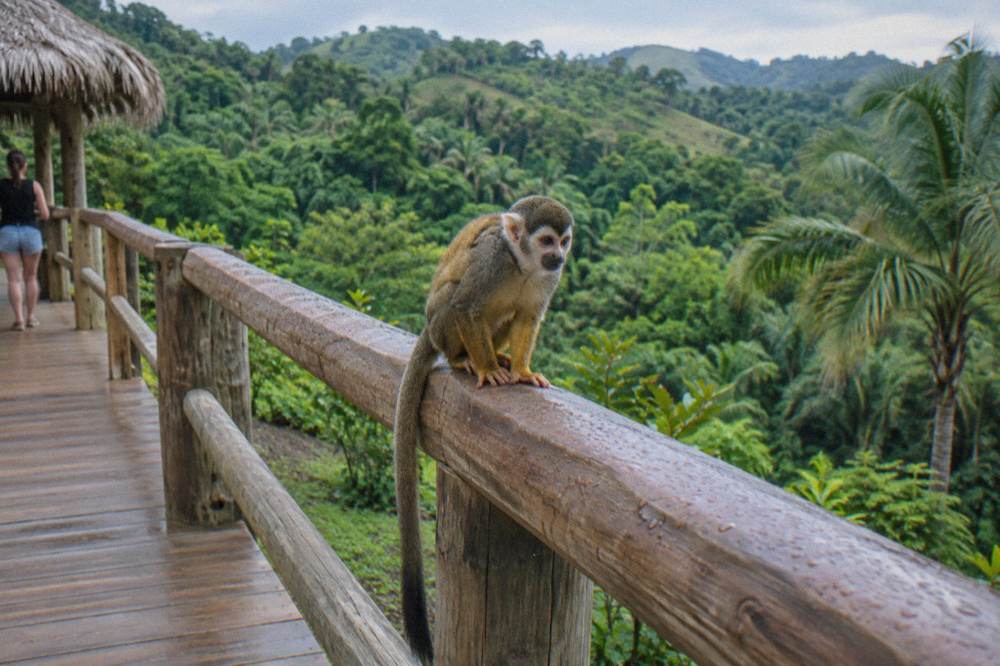
Start with the camera question, because it shapes the bag. The listings describe an encounter where squirrel monkeys come close, take food from hands and sometimes sit on shoulders, and the Monkey House VIP Animal Sanctuary Experience notes that cameras are usable in the second part of the visit while belongings are stored in the first. That is a good model for Monkeyland generally: a phone on a secure wrist strap or a small camera beats a bag you have to set down. Shiny objects attract the monkeys, so jewelry, watch straps and loose phone charms are better left at the hotel or zipped away. If you are curious about the wider wildlife scene, the guide to the animals Punta Cana is most famous for covers whales, iguanas and birds along with the monkeys themselves.
Money deserves a line of its own. Gratuities are left out of the price on essentially every tour, and souvenir photos are sold separately on nearly all of them. None of these are surprises, they are printed exclusions, but a visitor with no cash on the day misses the photos, which for most people is the whole souvenir. The official Dominican Republic tourism portal entry for Monkeyland describes visitors photographing monkeys carrying infants on their backs, and those frames are exactly what the photo vendors are selling. To see exactly what those frames look like before you hand over your cash, the Monkeyland photo guide with camera rules and clothing tips walks you through the whole encounter.
A note on bags themselves, because the wrong bag creates problems the rules do not anticipate. Large backpacks are a nuisance in the monkey enclosure, where anything dangling becomes interesting to a curious animal, and on zipline platforms they usually have to come off entirely. A small cross-body bag with a zip, or a drawstring sack that fits in a locker, covers the standalone tour. On combo days, one shared locker bag for the whole family is cheaper than several and keeps the spare clothes, the cash and the wet towels in one place for the ride back to the hotel.
Finally, the paperwork side of the day is lighter than most visitors expect. Cruise passengers arriving at Amber Cove or Taino Bay do not need the country's E-Ticket form, which applies to commercial flights, and our E-Ticket guide for tourists covers who does. Flying visitors complete the free form before the airline counter, and a passport valid for the stay suffices for US, Canadian and EU tourists under the measure in force until the end of 2026. None of it goes in the day bag, but knowing it removes one pre-trip worry, and Monkeys in Dominican Republic exists to make exactly these small logistical questions easy to answer before you travel.
Common Questions About What To Wear To Monkeyland
Can I Wear Sandals To Monkeyland?
For a standalone Monkeyland and plantation visit, sandals are workable in the safari truck but closed-toe shoes are the better choice for the garden and plantation paths. For any zipline or buggy combo, the listings specifically request closed shoes, and hot buggy footwells and harness straps make sandals uncomfortable. Lightweight trainers are the safest all-round pick.
Why Can I Not Wear Sunscreen At Monkeyland?
The operator listing asks visitors not to wear sunscreen or insect repellent before the monkey interaction because the squirrel monkeys take food from hands and groom fur that residue can transfer to. Clothing, a hat and shade replace lotion on the morning of the visit. Bring nothing scented on hands, wrists or forearms at any point in the day.
Should I Bring A Change Of Clothes?
On a buggy combo, yes, without question: the circuits are dusty when dry and muddy after rain, and the tours run rain or shine. On a zipline combo a change of shirt is a nicety. On a standalone monkey and plantation tour, most visitors stay clean enough that a change of clothes is unnecessary.
What Should I Do With Valuables During The Encounter?
Go minimal. Leave jewelry, watches, and spare cash at your hotel, and keep whatever you do bring in closed pockets or a small bag you can hold onto for the full visit. Squirrel monkeys are drawn to shiny objects, so jewelry, watches and dangling phone charms are better locked away or left at the hotel. Keep your camera or phone on a secure strap.
What To Wear To Monkeyland Punta Cana?
The short answer: light clothing, closed-toe shoes, a hat and sunglasses, and no sunscreen or repellent before the encounter. If your day includes a buggy circuit, wear old clothes and bring a full change.